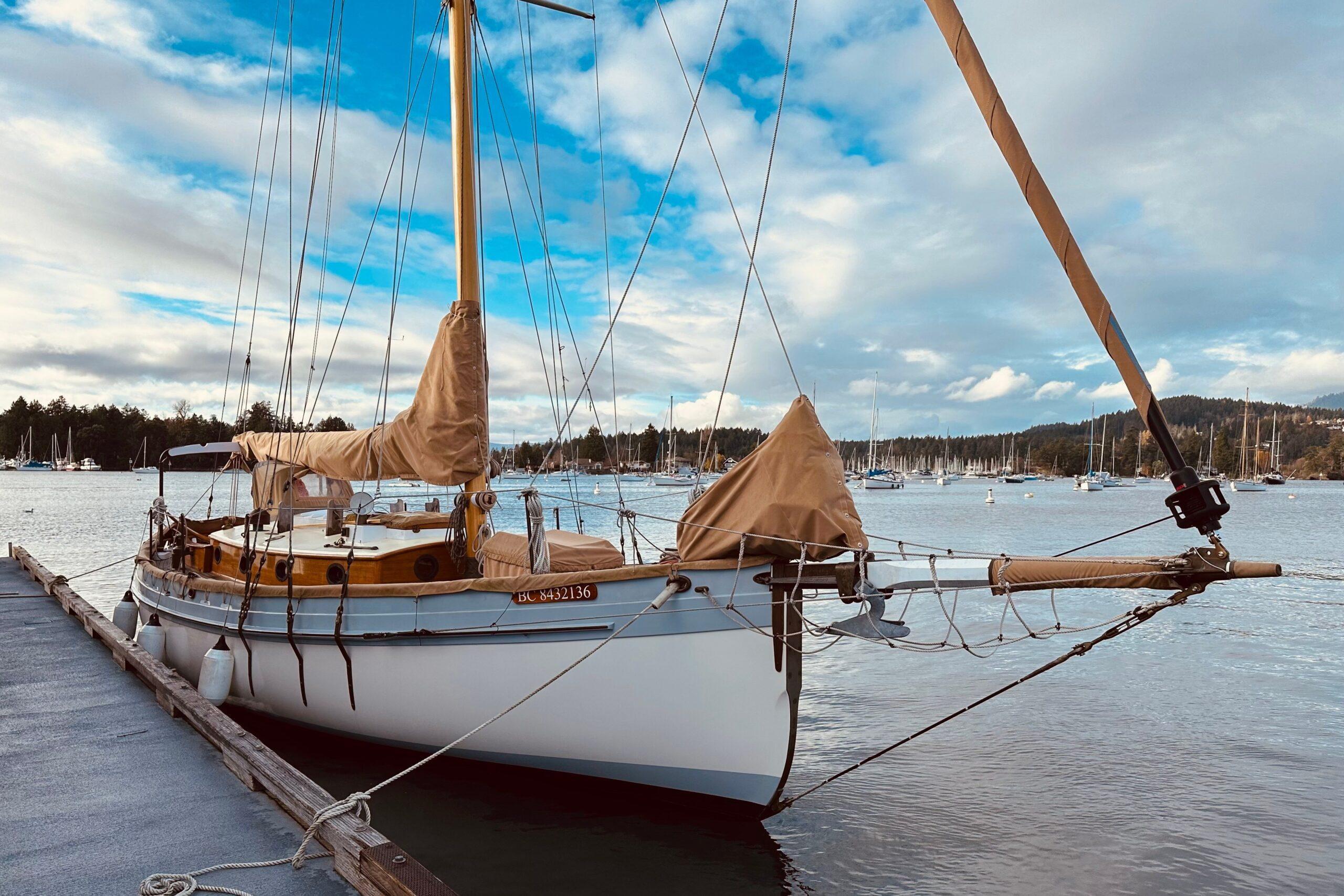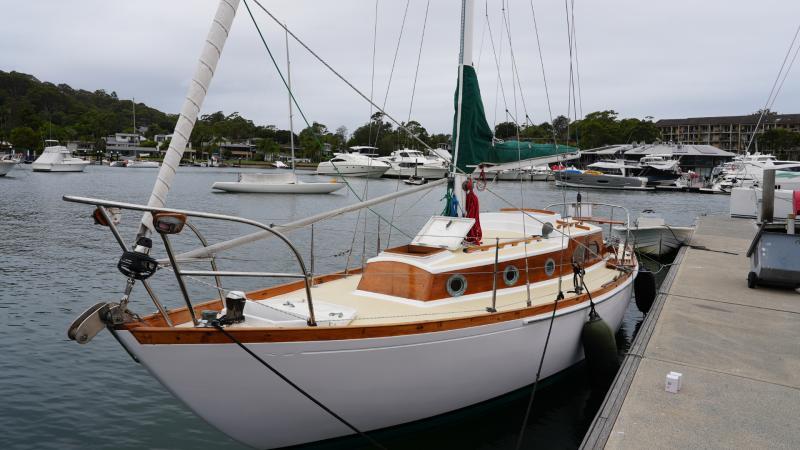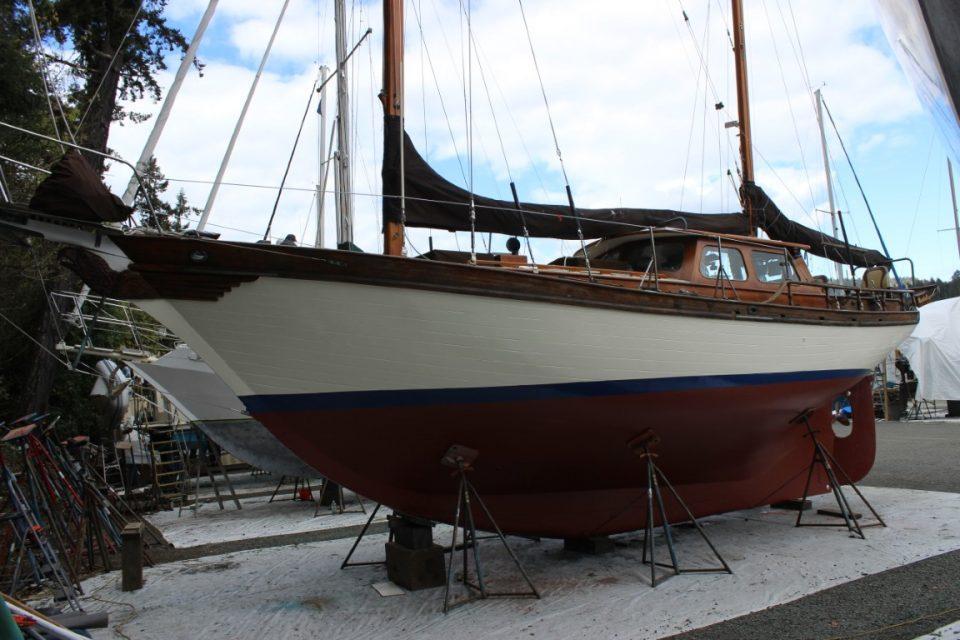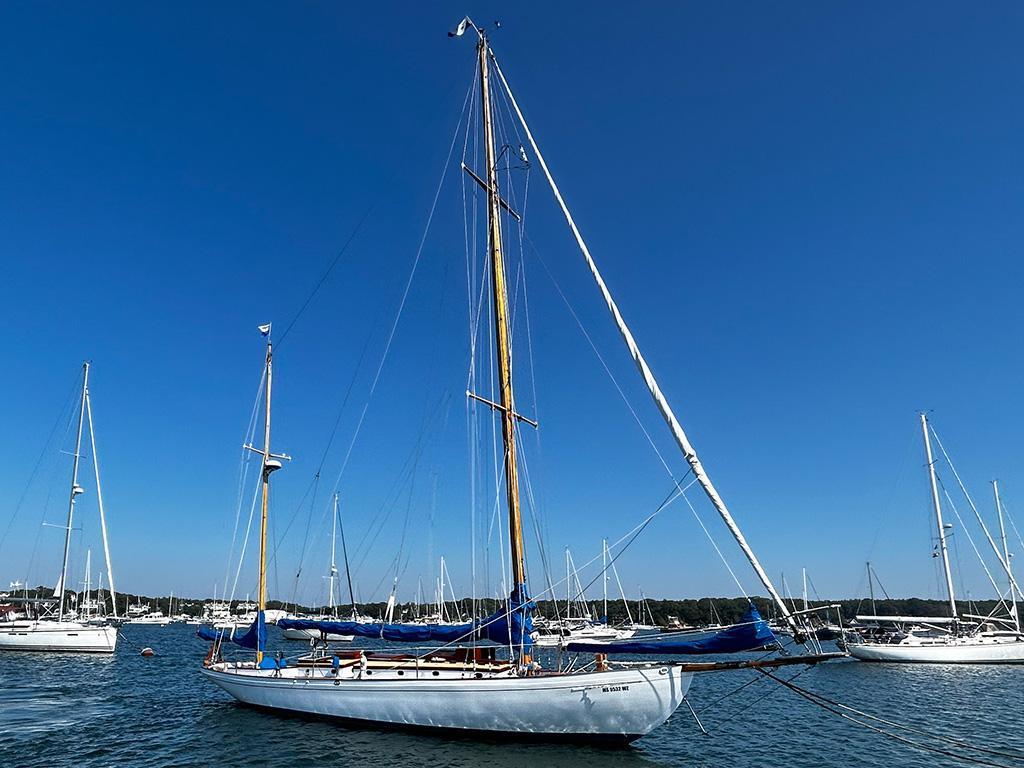

1936 Freeman 37 for sale in Richmond, CA
Richmond, CA, United States193611.3m
Asking PriceBroker
$250,000 USD
 +6 more
MakeFreeman
Model37
Year1936
Length11.3m3.2m beam
EngineBUKHDV24RME
Draft1.7m
AI Visual Search
Match by shape & style
Overview
About this vessel
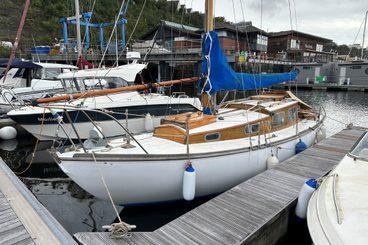
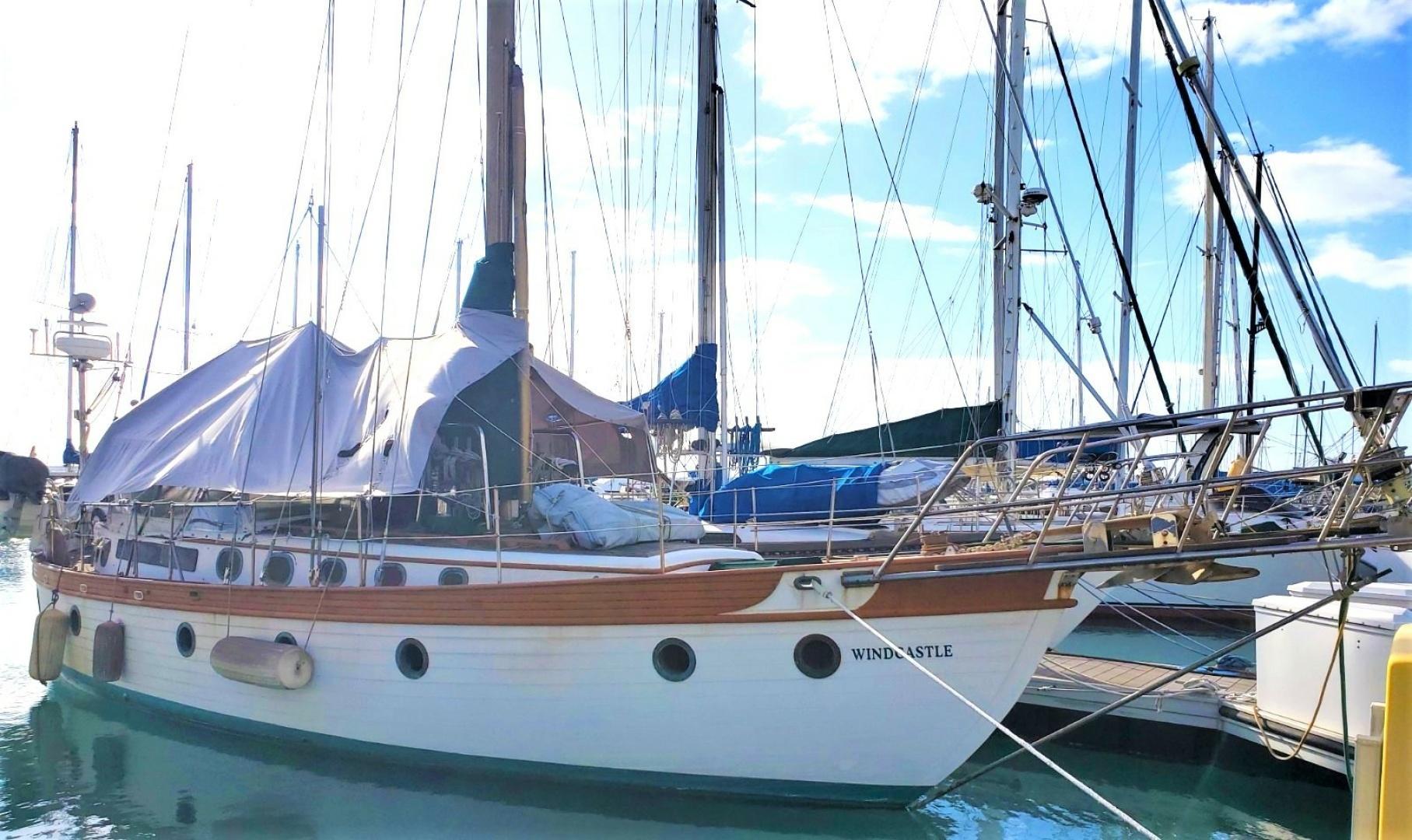
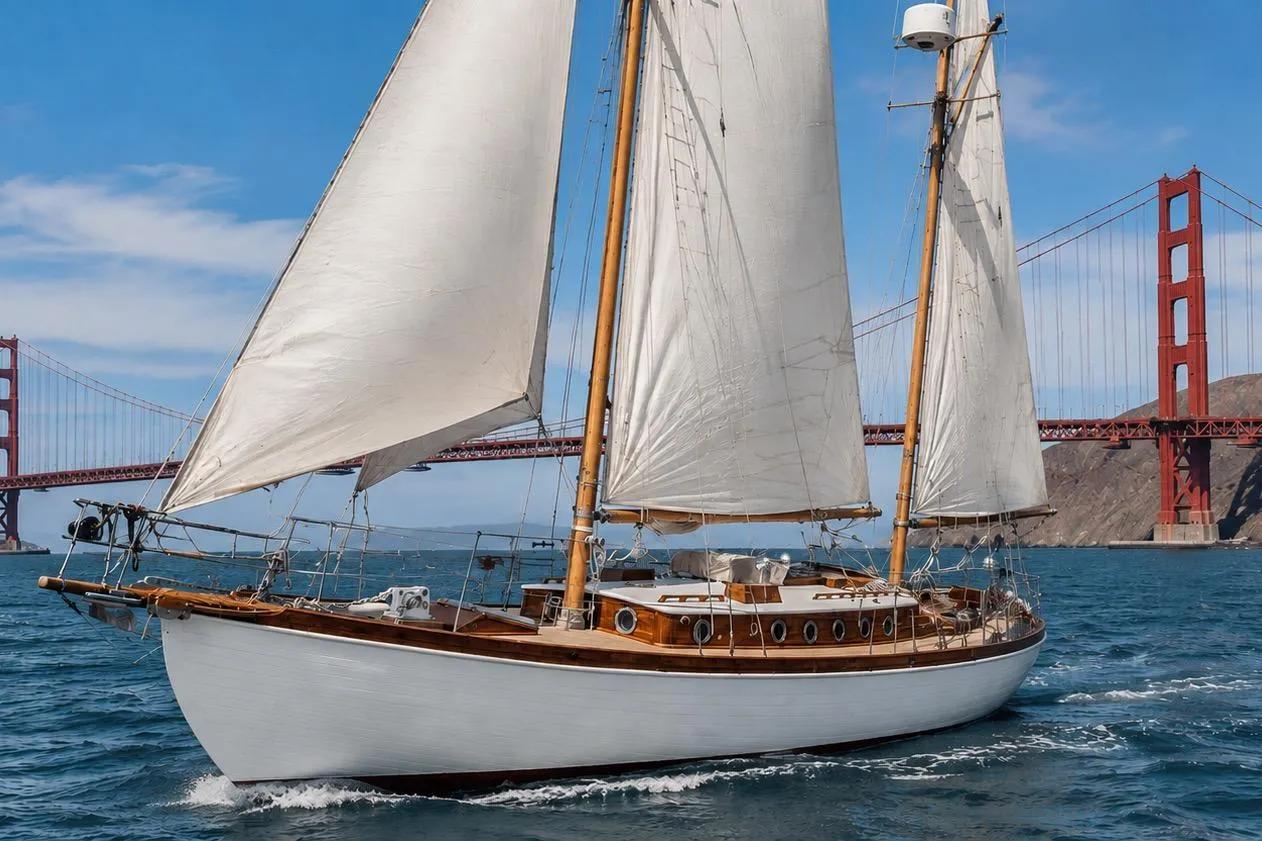
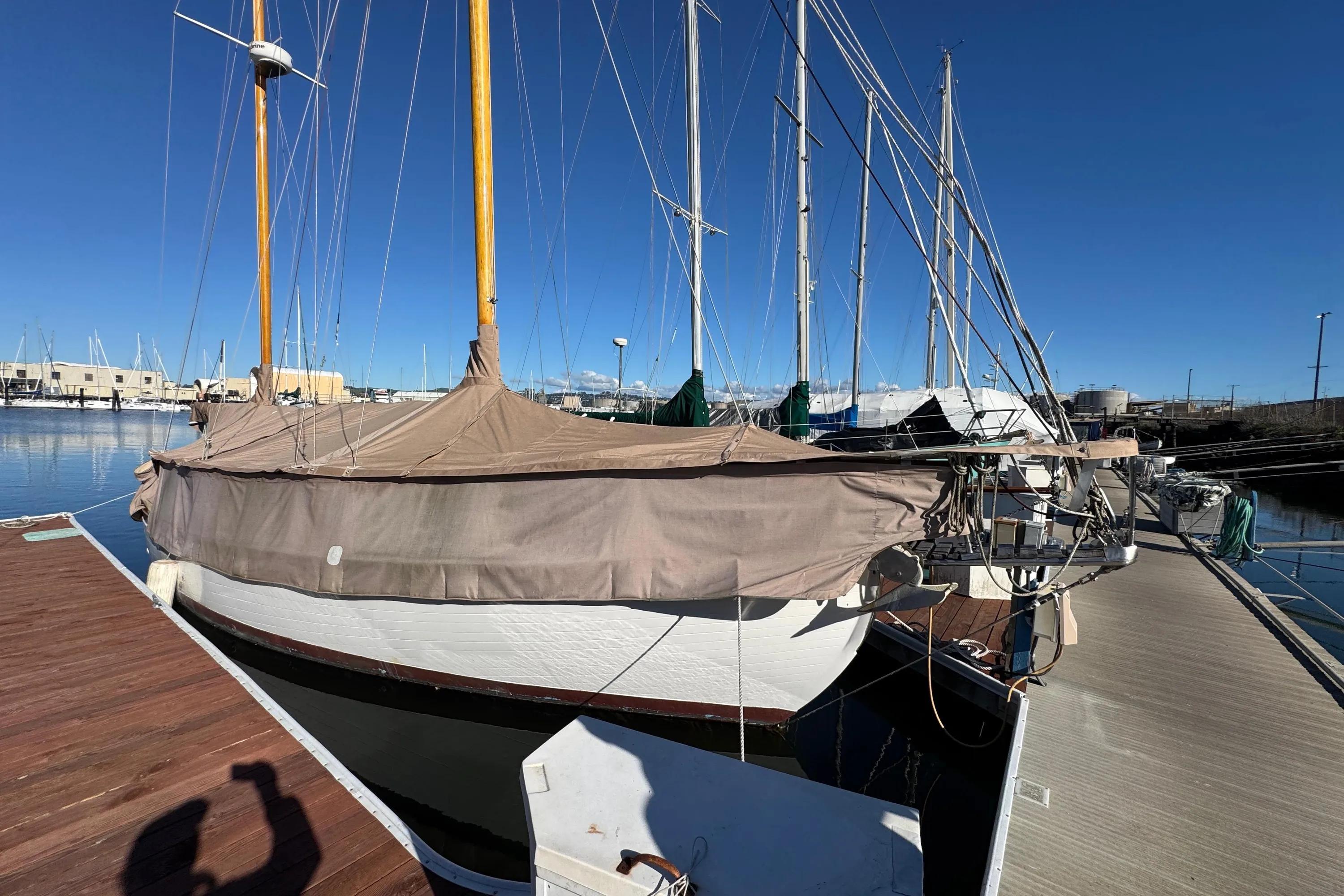
STROMA of MEY was designed by Reginald Freeman and built in Great Britain by William King & Sons at Burnham on Crouch, Essex in 1936. Her hull is copper riveted and the planking is pitch pine over oak. She raced and cruised in Scotland until the 1980's when she was refurbished and sailed to San Francisco.
Heritage
William King & Sons of Burnham-on-Crouch built an excellent reputation for high-quality wooden yachts. Reginald Freeman was among Britain's respected interwar yacht designers, producing capable cruising and racing yachts noted for their seaworthiness and elegant proportions. A well-preserved Freeman yacht is more than transportation – it's a piece of British maritime history.
Beautiful Under Sail
Classic British yachts from the 1930s possess a grace that is difficult to duplicate. A Freeman yacht typically exhibits long overhangs, elegant sheer, varnished spars, graceful counter stern, and narrow waterline. When heeled 15–20 degrees under a full mainsail and cutter rig, they look exactly as their designers intended.
Superb Windward Ability
Reginald Freeman designed yachts to sail. Expect excellent pointing ability, beautiful balance, light weather helm, and remarkable tracking. A properly trimmed Freeman cutter can often surprise modern production boats when sailing to weather in 20 knots.
STROMA of MEY is well suited to San Francisco Bay. The Bay rewards boats that can carry sail comfortably in 18–30 knots, drive through short, steep wind waves, remain balanced under reduced sail, and track well in strong tidal currents. A 1936 Reginald Freeman design checks many of those boxes.
Heavy Displacement
Freeman's yachts were designed for the North Sea and English Channel – waters that are often as demanding as San Francisco Bay. Compared with many modern cruisers, STROMA would likely have a long, deep keel, substantial displacement, narrow beam, fine bow sections, and excellent directional stability. Instead of bouncing over Bay chop, she would tend to shoulder through it with a slower, more comfortable motion.
Construction Details
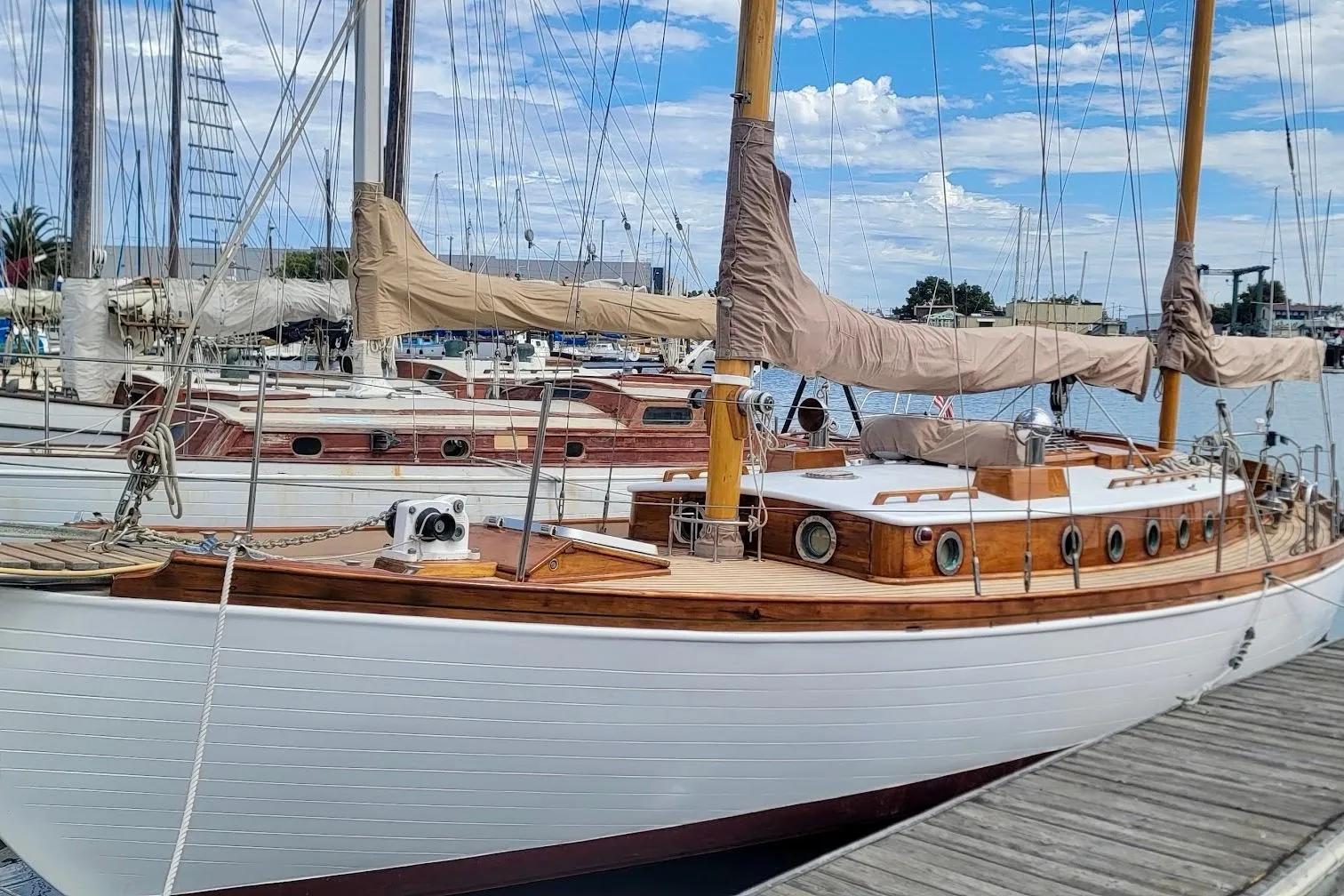
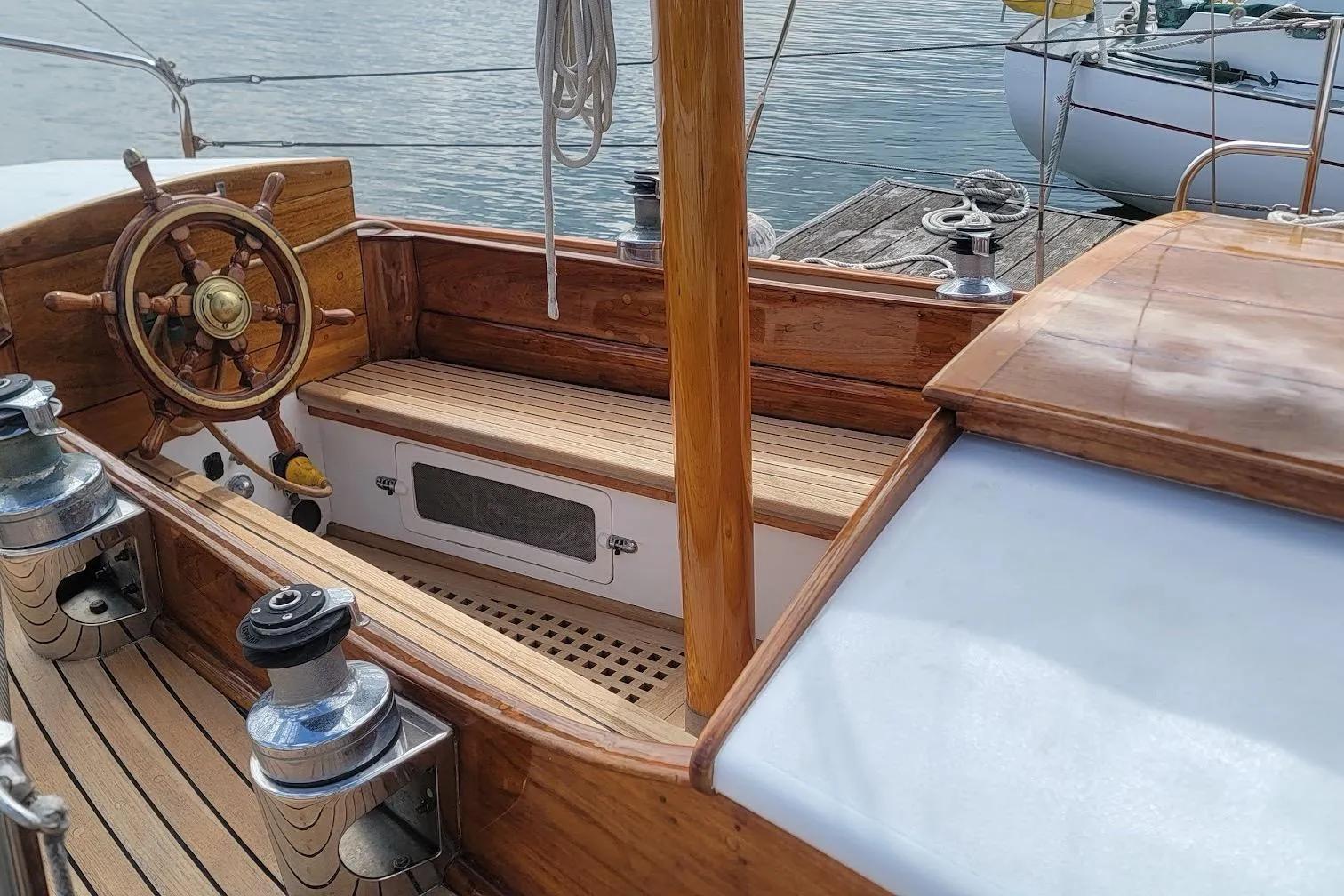
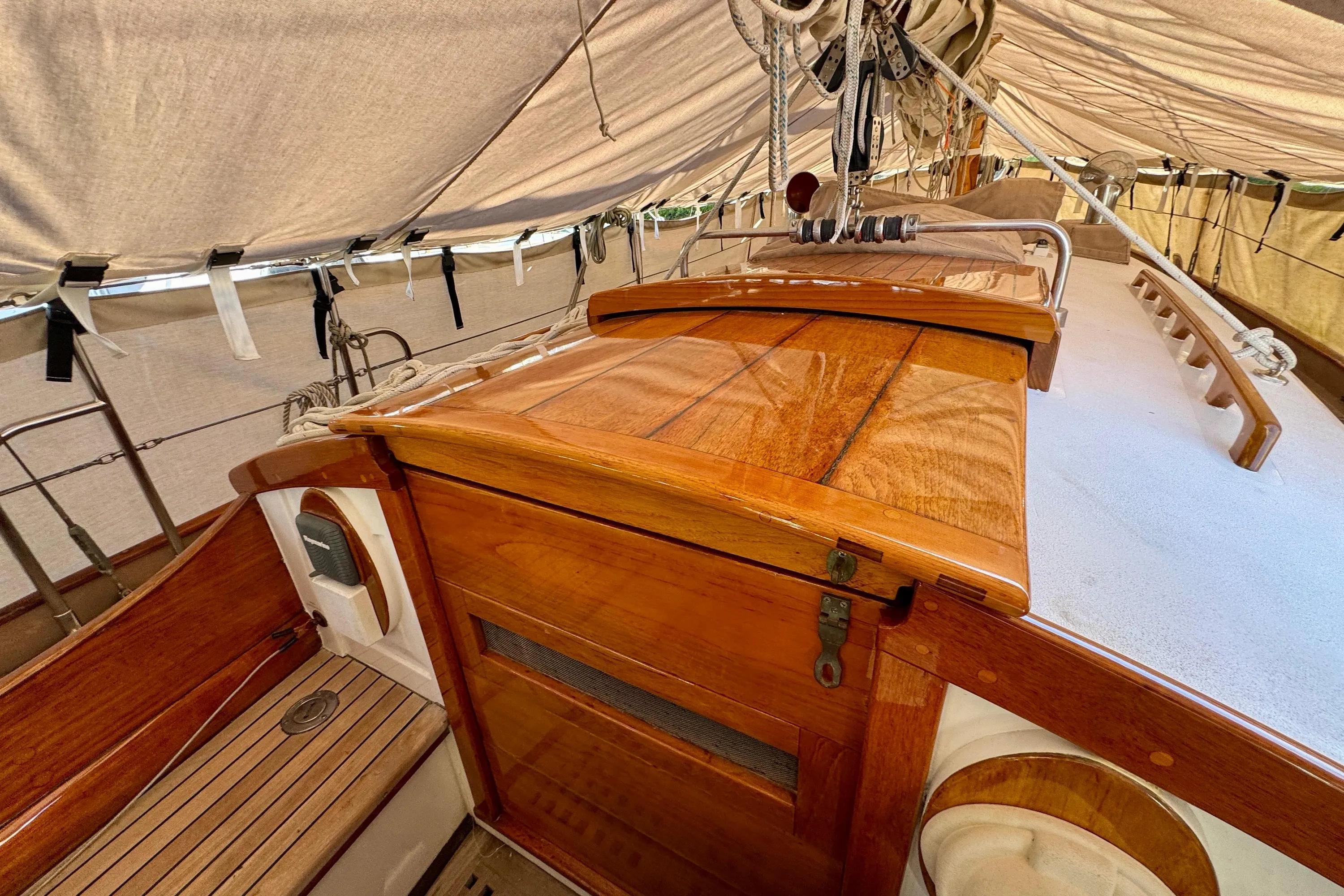
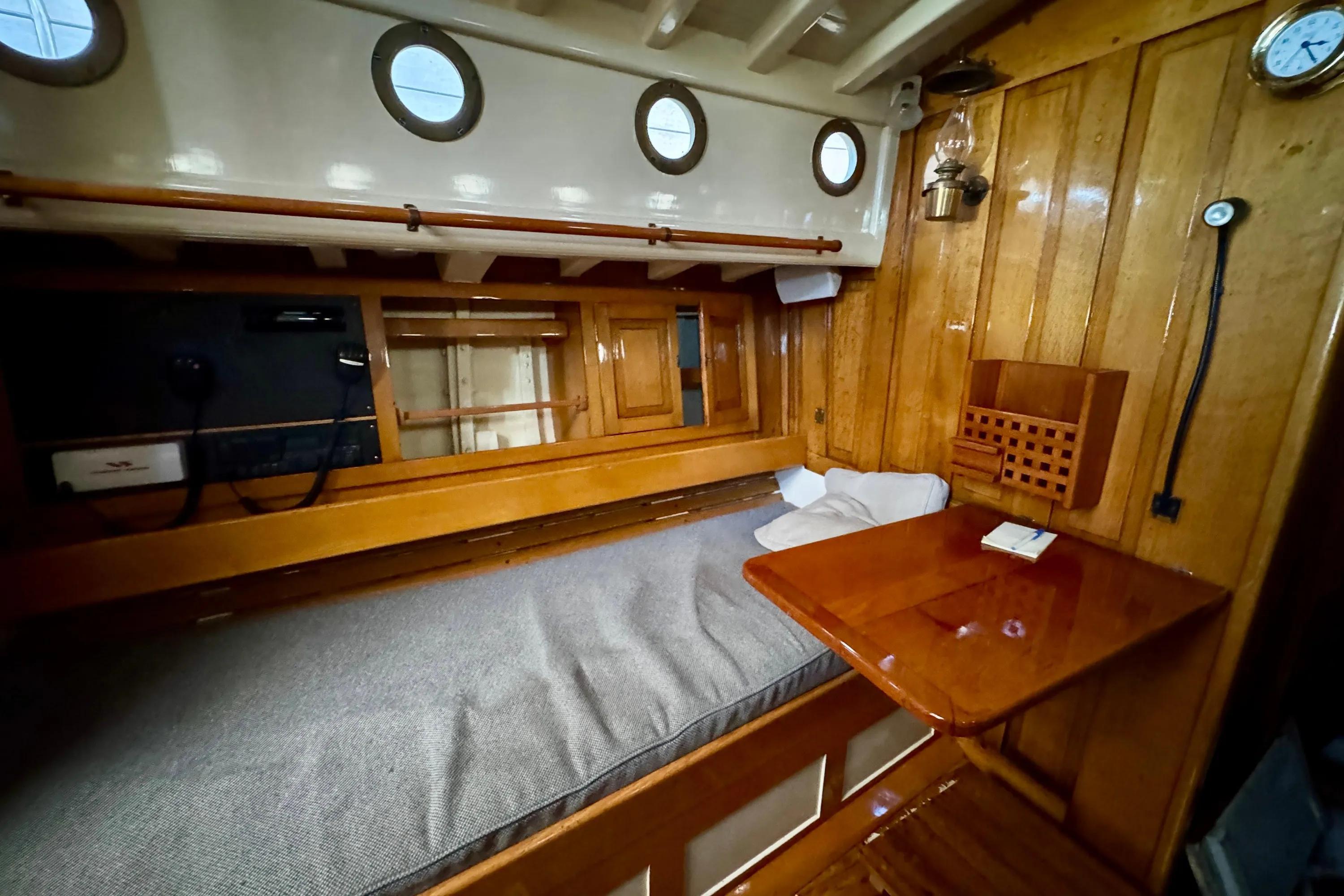
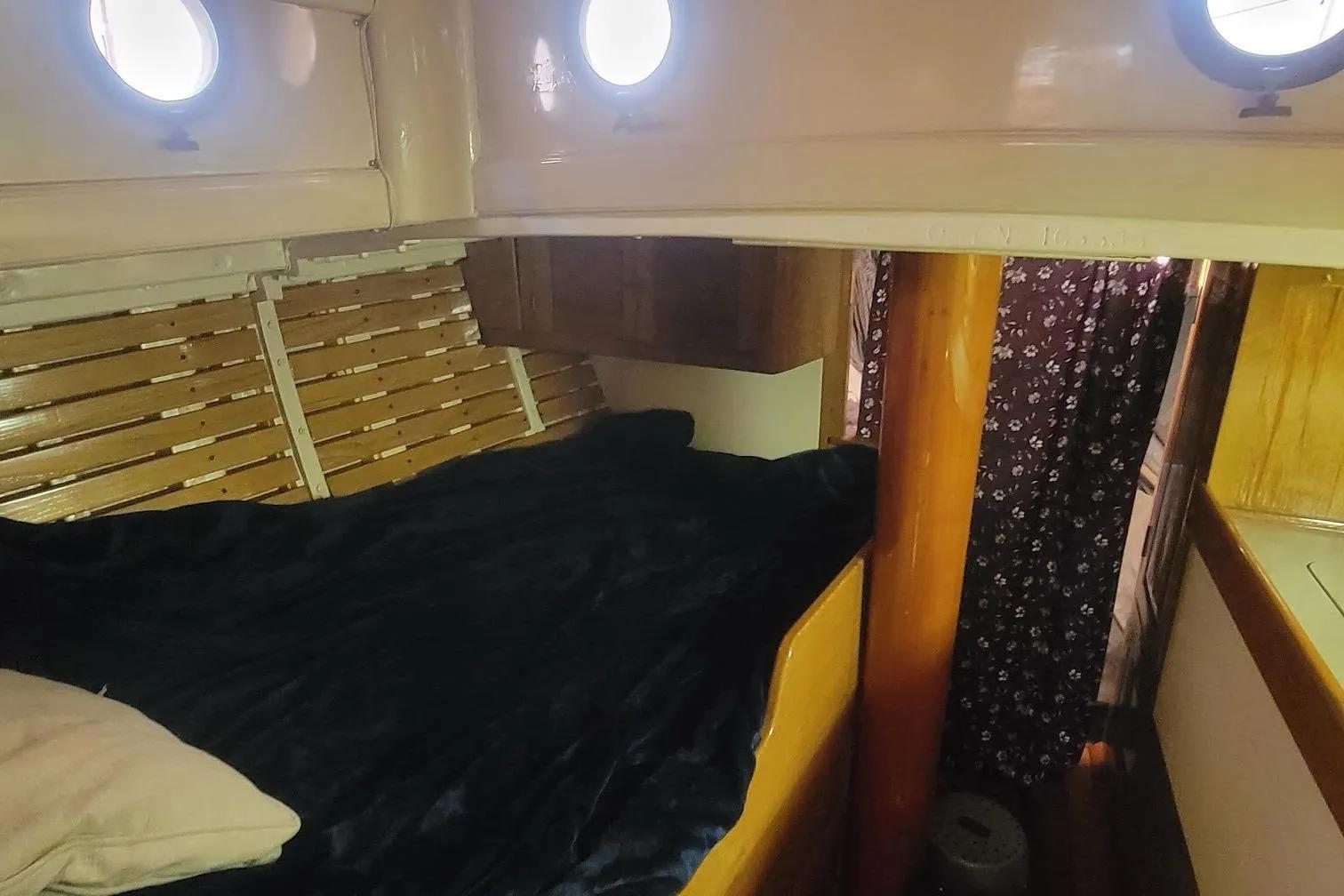
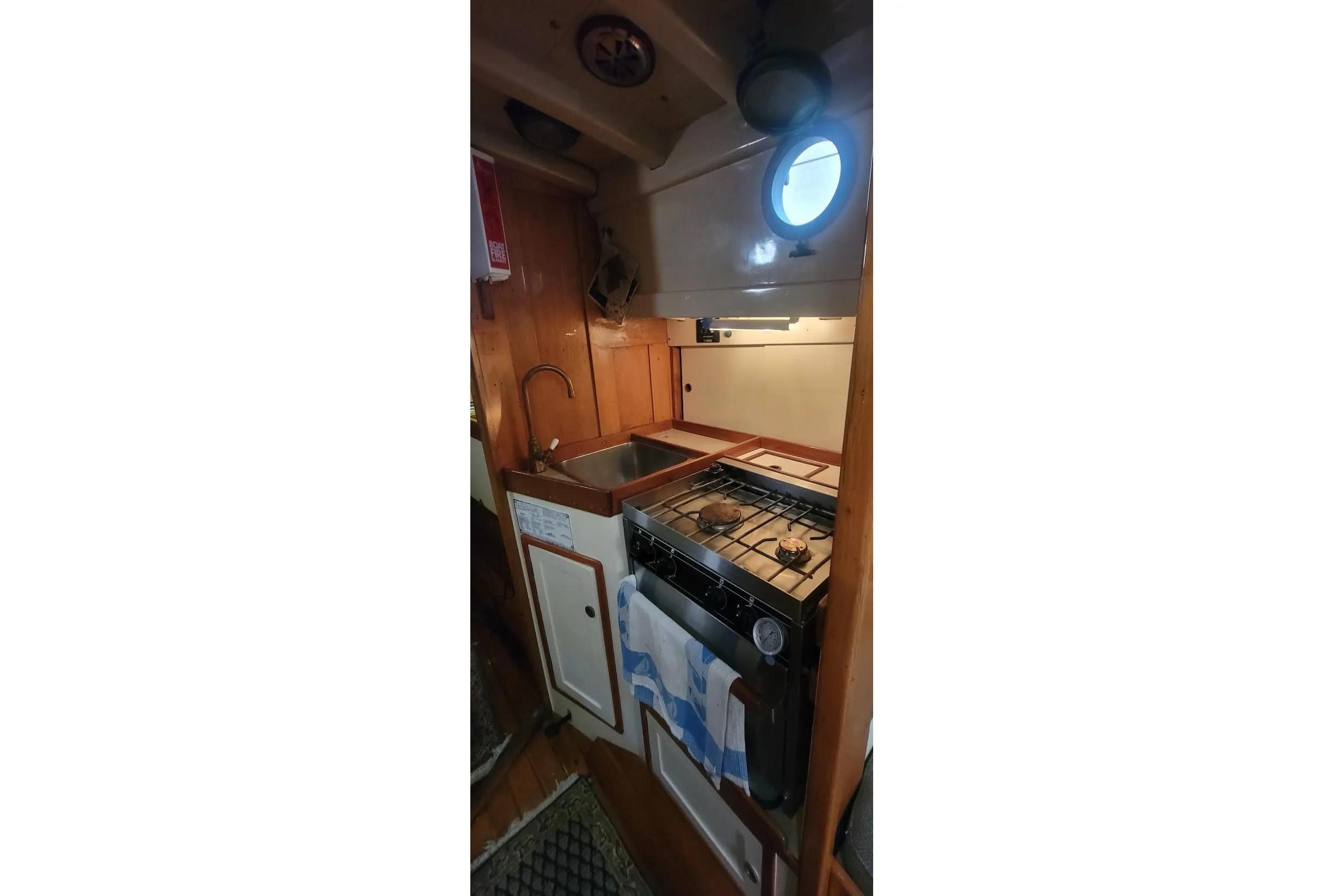
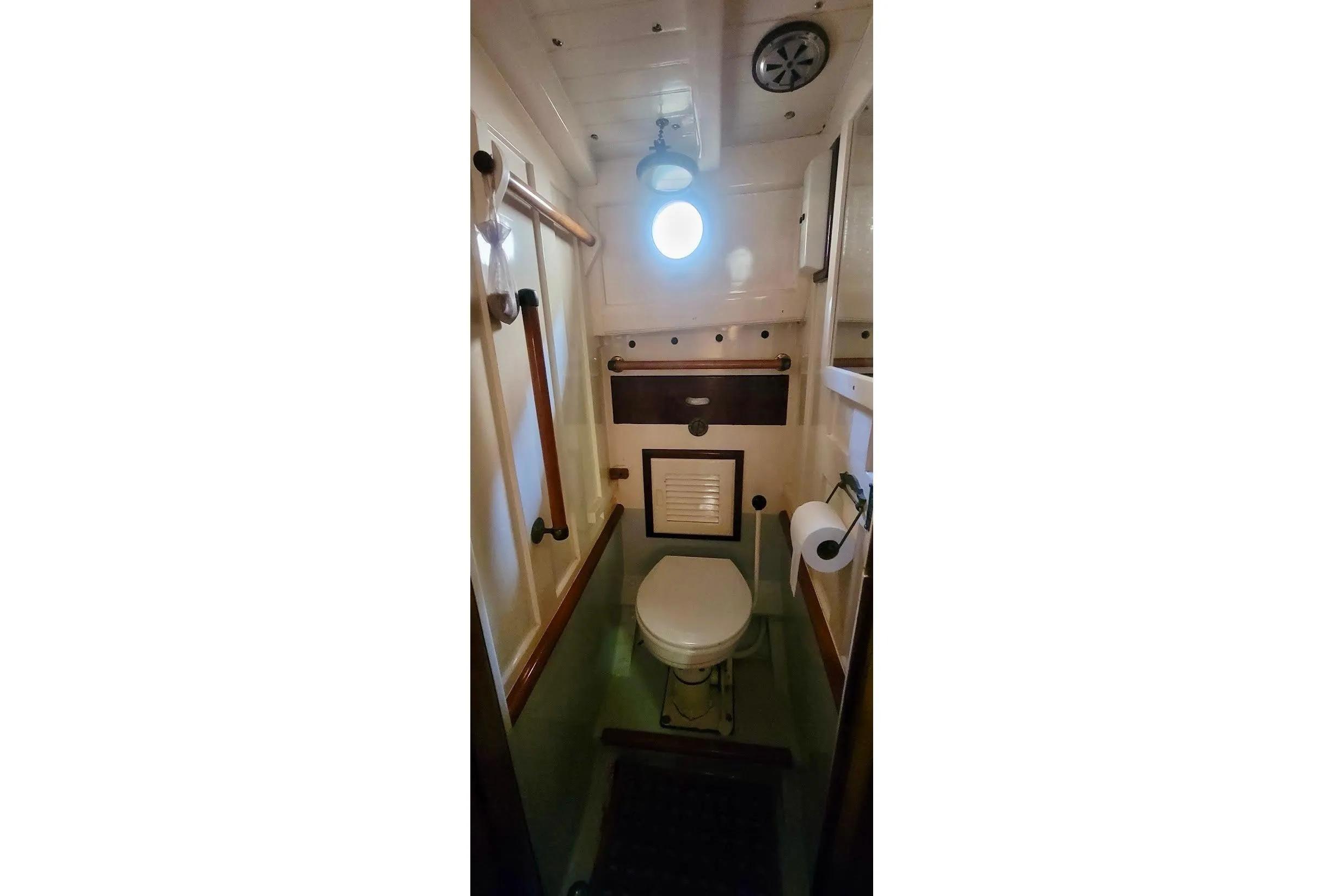
Traditional with long keel and canoe stern. Bermudian Ketch. Hull – Pitch pine planking (carvel) on oak frames with copper fastenings. Deck – Teak refastened with silicon bronze screws, countersink filled with teak plugs. Deck and superstructure – Teak. Interior joinery – Oak.
Specifications
The details
Vessel
MakeFreeman
Model37
Year1936
Dimensions
Length overall11.3m
Beam3.2m
Draft1.7m
Engine & Fuel
Engine makeBUKH
Engine modelDV24RME
Engine count1
Features
On board
Pitch pine hull with oak frames and copper rivets
Teak deck and superstructure
Long keel with canoe stern
Bermudian Ketch rig
Bukh Diesel engine
Icom M304 Marine VHF radio
Kenwood SSB radio
Furuno Radar
AutoHelm ST6000 autopilot
Garmin GPS
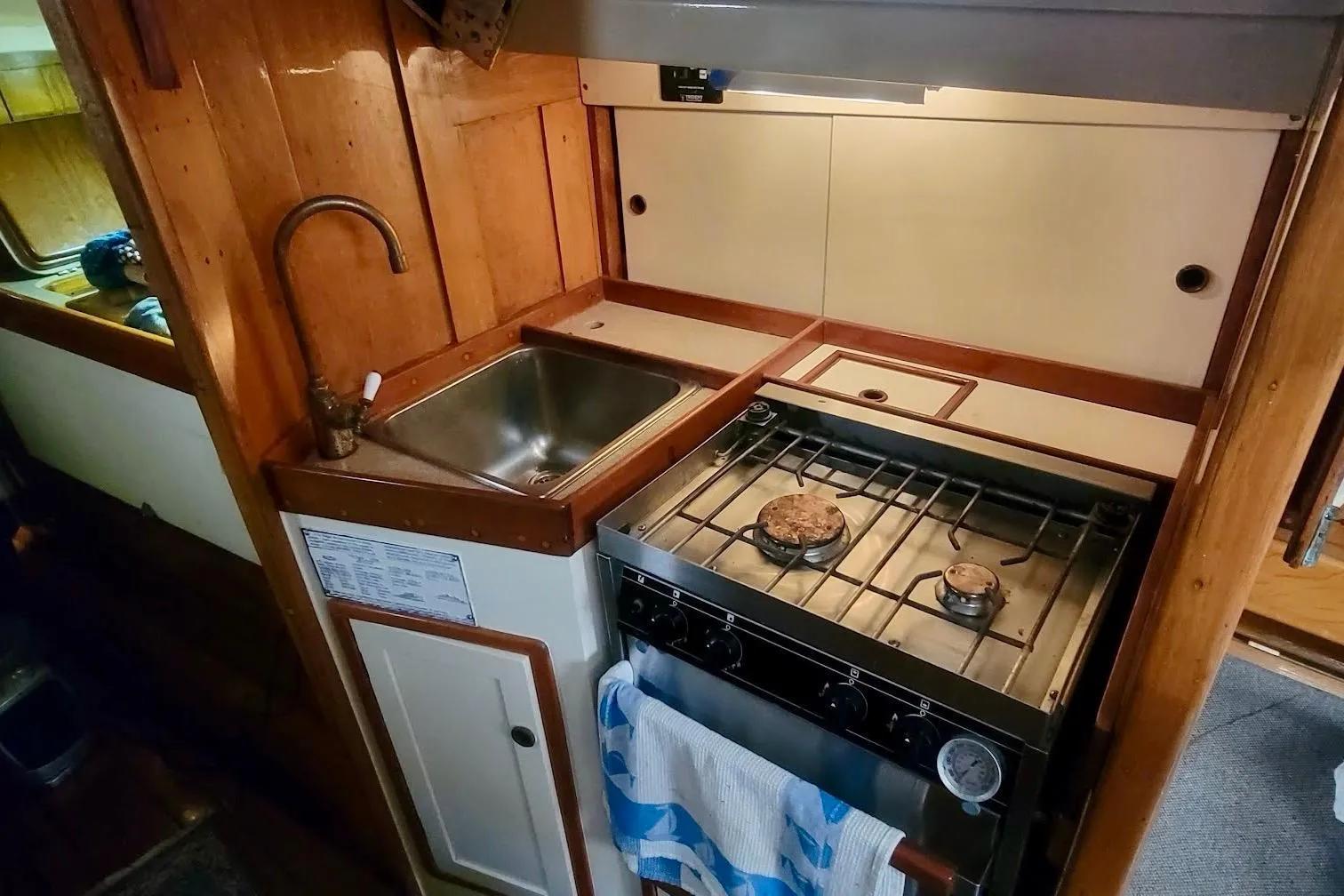
Force 10 Propane stove with oven
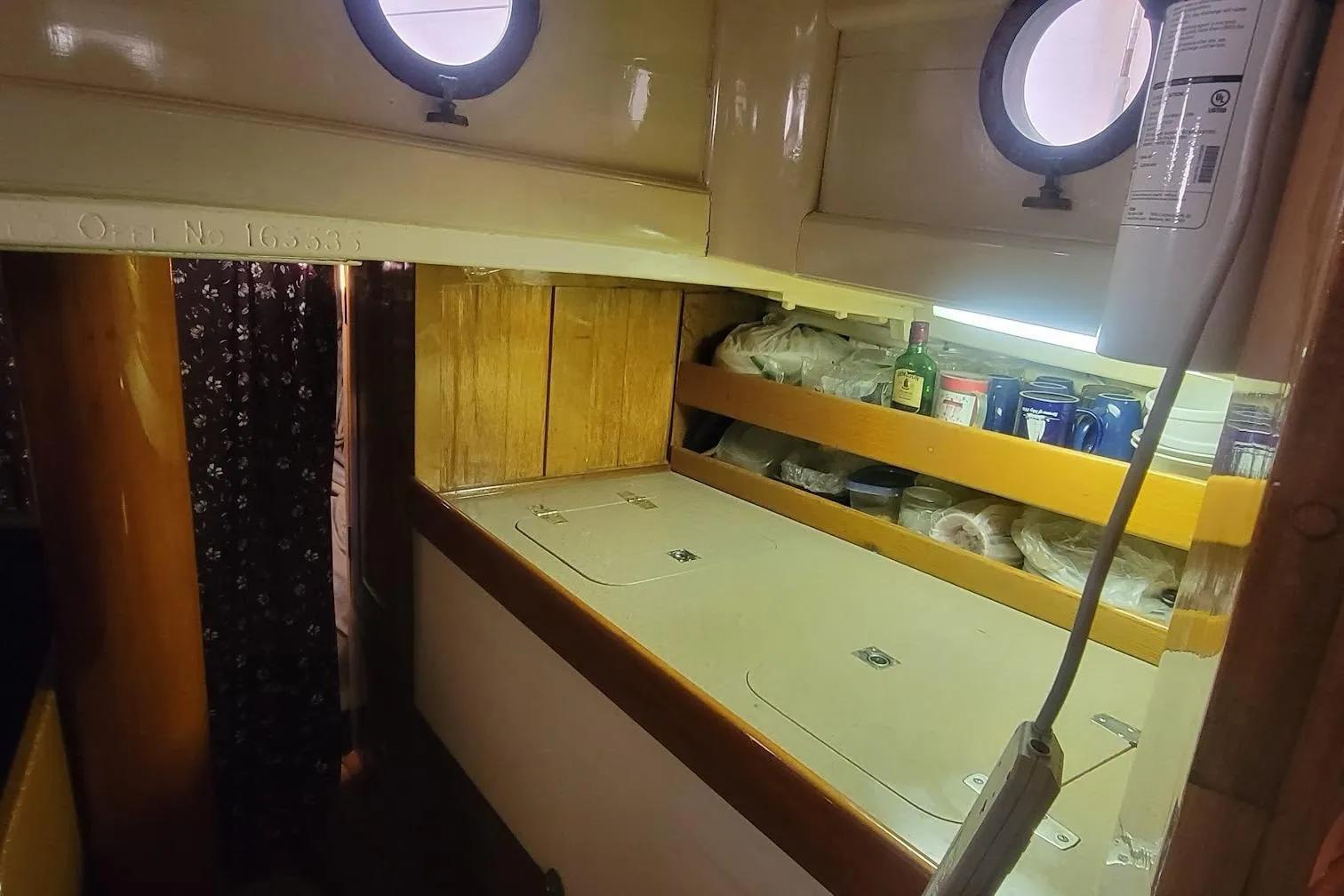
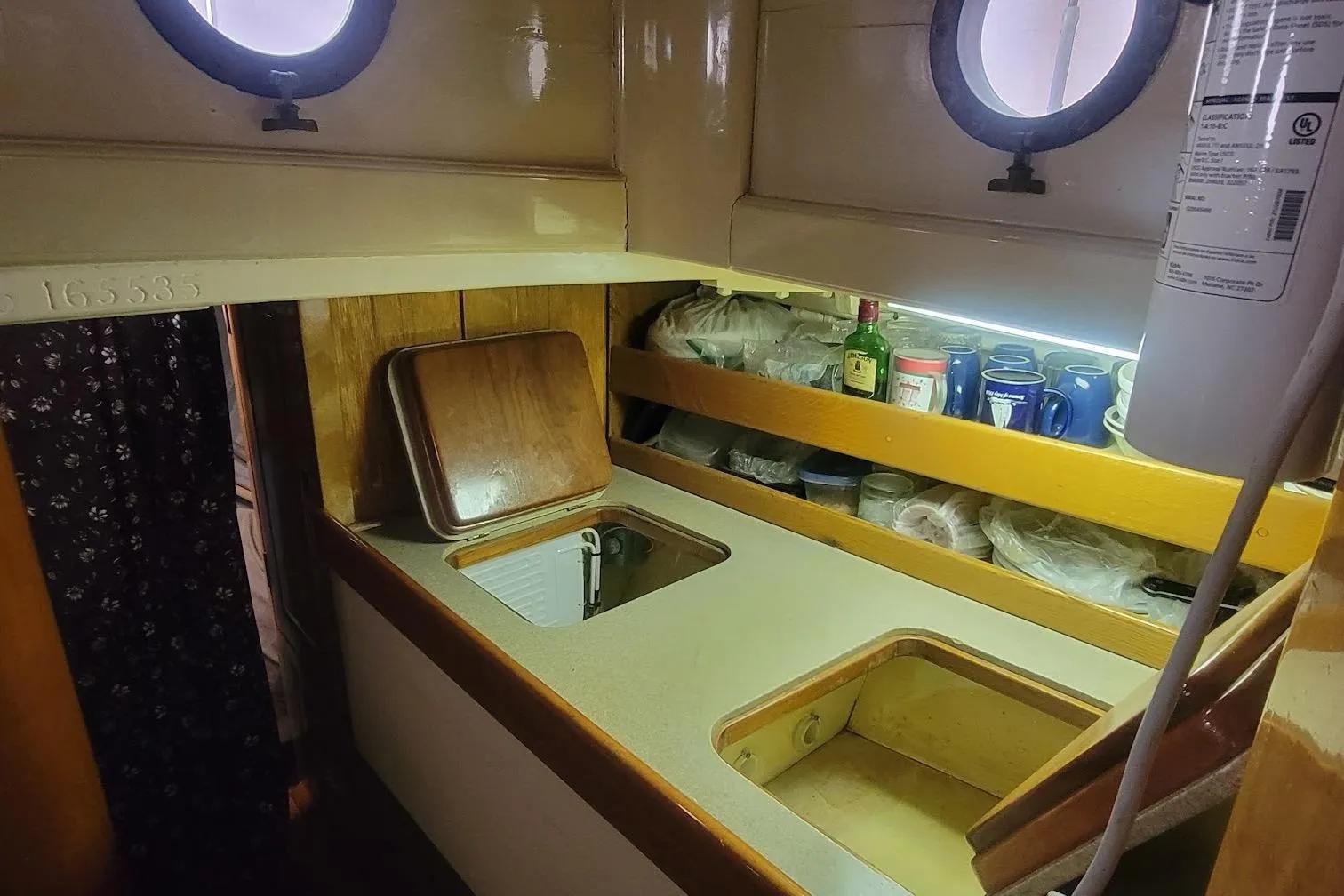
Adler Barbour refrigeration
Lewmar winches
Simpson/Lawrence anchor windlass
Matched with BoatSeekr AI
Boats that look like this
Explore boats with a similar design, shape and style.
Broker
Berkeley, CA, United States
Vindo 50
$35,000 USD
10.7m · 1978
Broker
Shelter Cove, United States
Cheoy Lee 32 Offshore
$280,000 HKD
9.7m · 1978
Broker
Savannah, Georgia, United States, United States
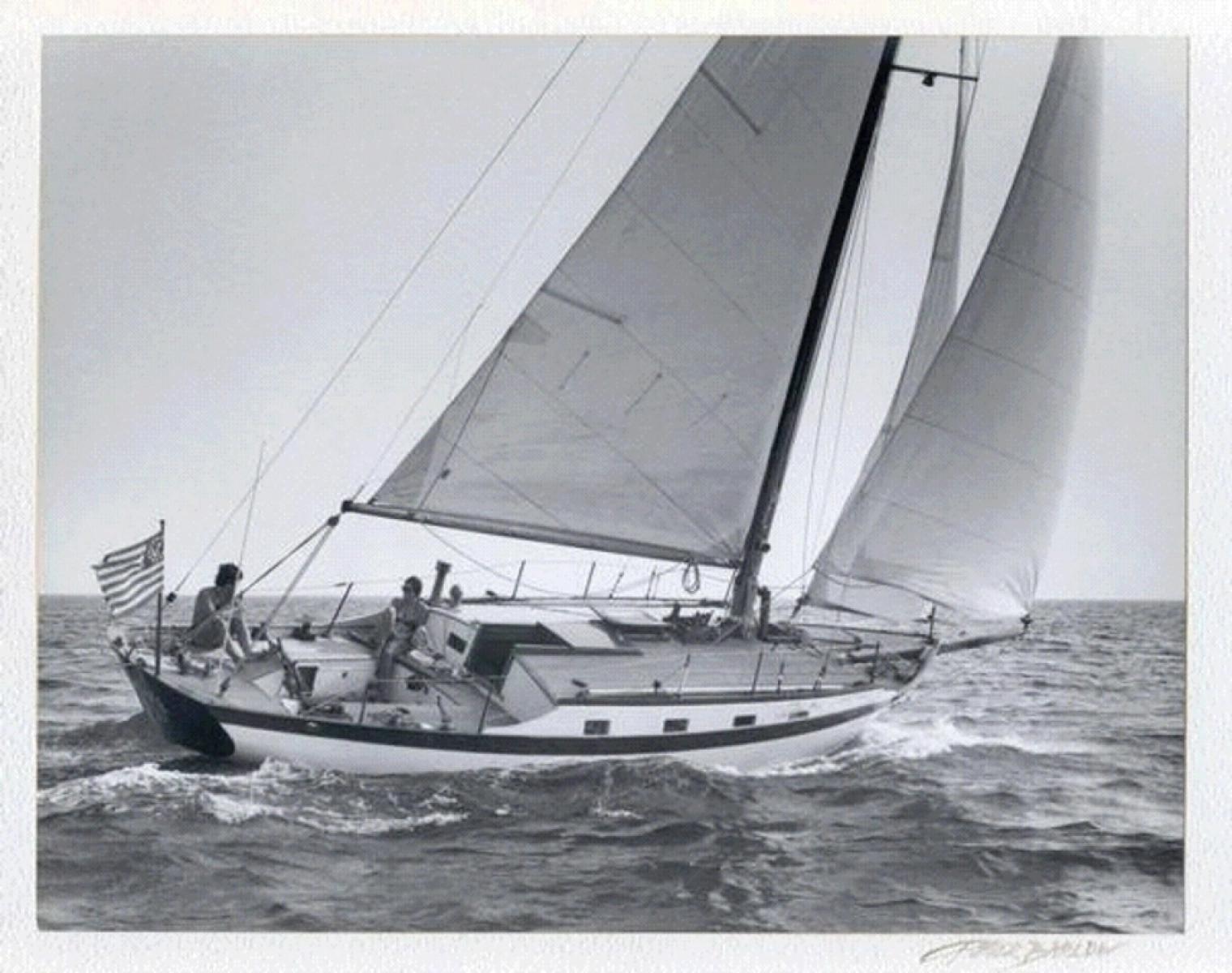
Geerd Hendel 35' Raised-Deck Cutter
$20,000 USD
10.7m · 1959
Broker
Marathon, FL, US, United States
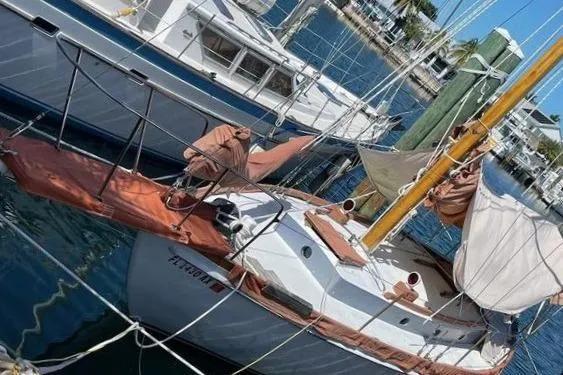
Alden Coastwise Cutter 36
$11,000 USD
11m · 1939
Buying guides
Helpful advice for your boat search
Guide
Buying
Guide to Offshore Cruisers: Trawlers, Catamarans, Monohulls and more
There are many ways to approach offshore cruising. Read on for a summary of the main types, plus exciting. new options like Omikron.
Guide
Buying
Before You Buy a Used Boat: Check the Spare Parts
Some of the most capable used boats become surprisingly complicated to own simply because a few key components are hard to replace.
Guide
Buying
Great Buys on Boatseekr Right Now: Our Top Picks Under $200k
If you're hunting for a smart buy, we've rounded up five standout listings.