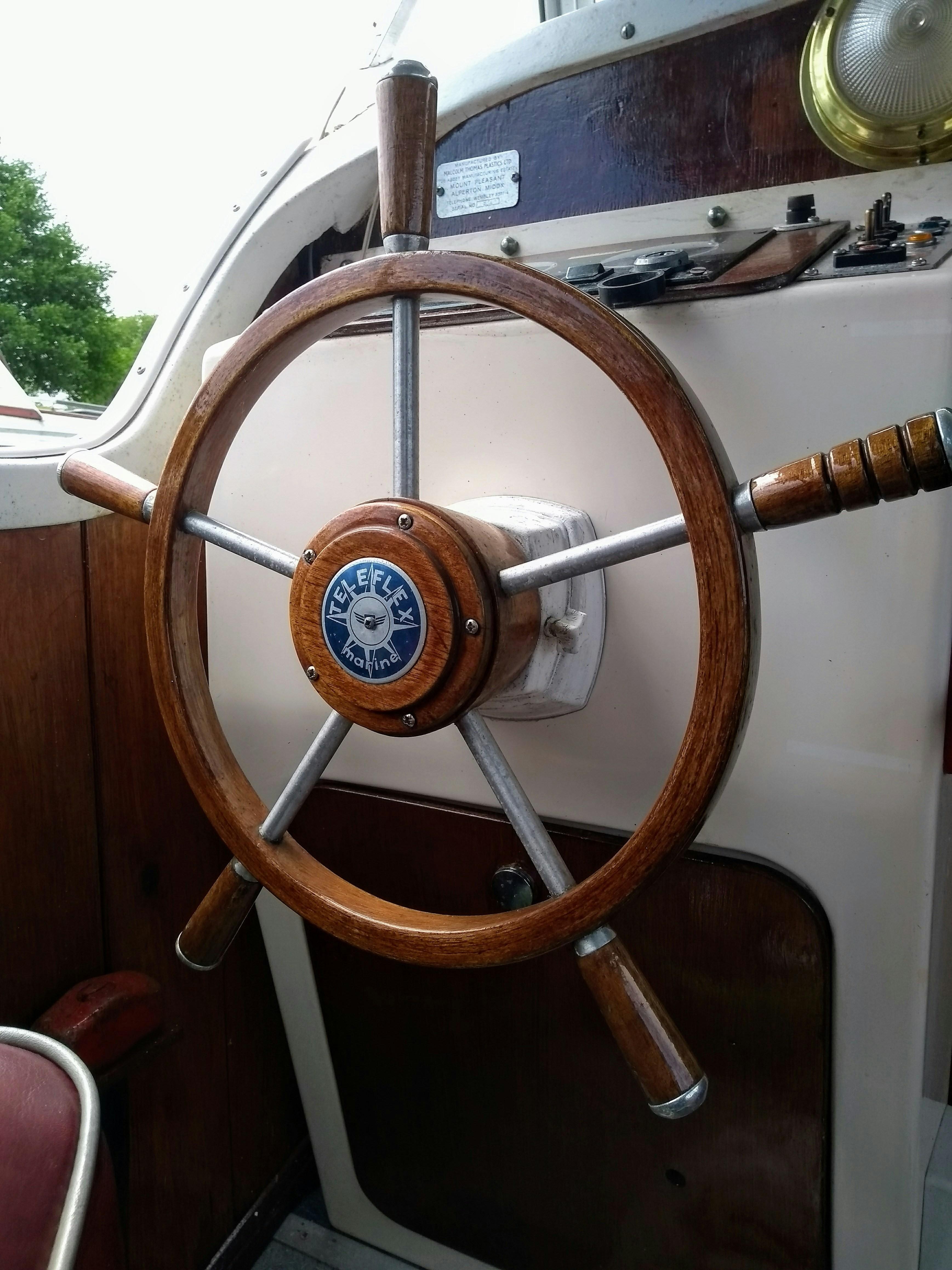
1. Classic or Contemporary? Choosing Your Style
One of the first big decisions is whether you’re drawn to the charm of a classic wooden launch or the convenience of modern materials.
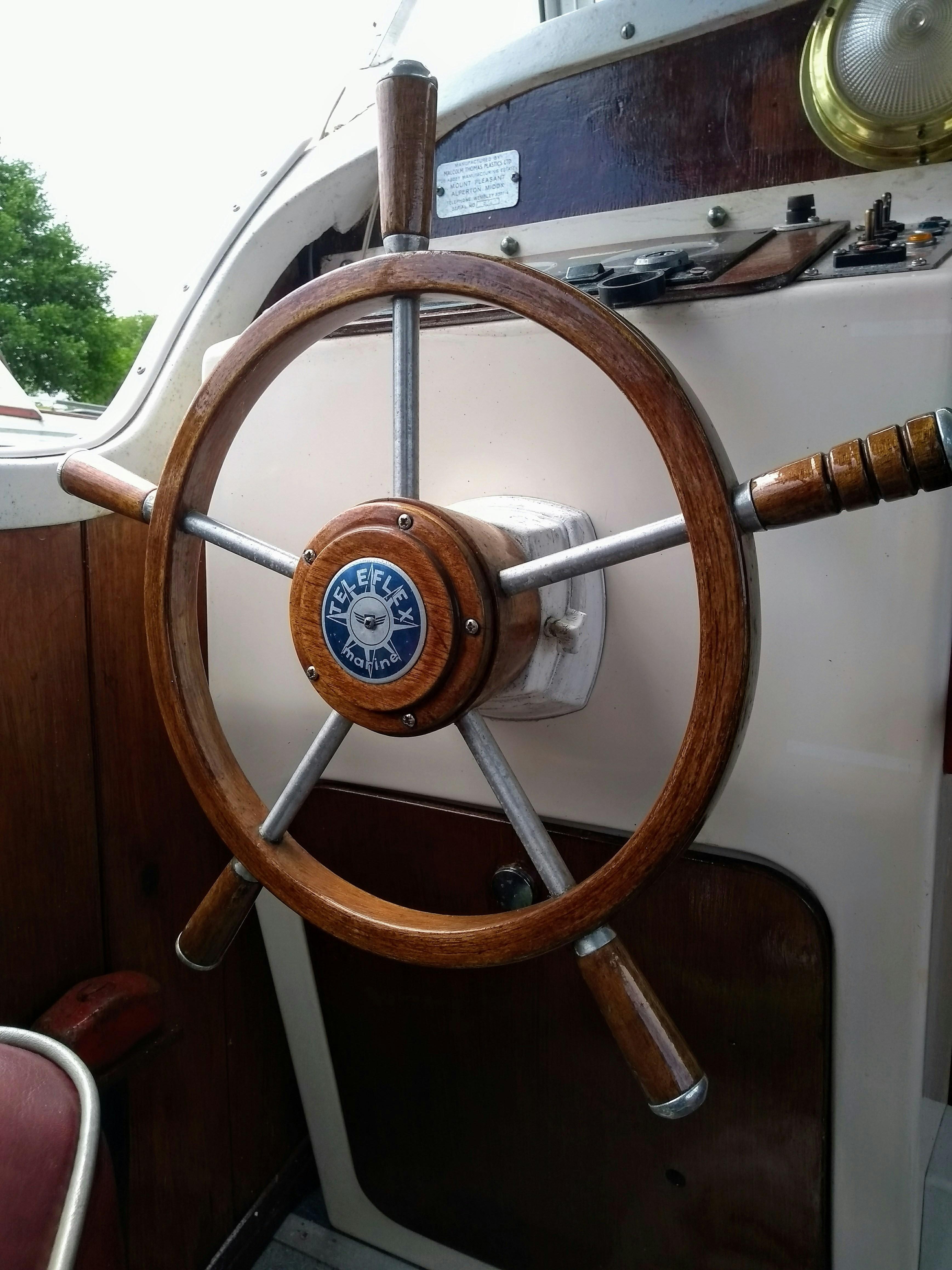
Classic Wooden Launches
New Zealand has a proud history of boatbuilding, and many older kauri launches from the mid-20th century are still going strong. These boats have a loyal following for their craftsmanship, character, and seaworthiness.
Pros: Beautiful lines, strong timber construction, often surprisingly affordable for their size.
Cons: They require diligent upkeep—regular varnishing, potential refits, and ongoing maintenance to prevent rot or mechanical issues.
Buying a wooden launch is often a passion project, but for many, it’s deeply rewarding.
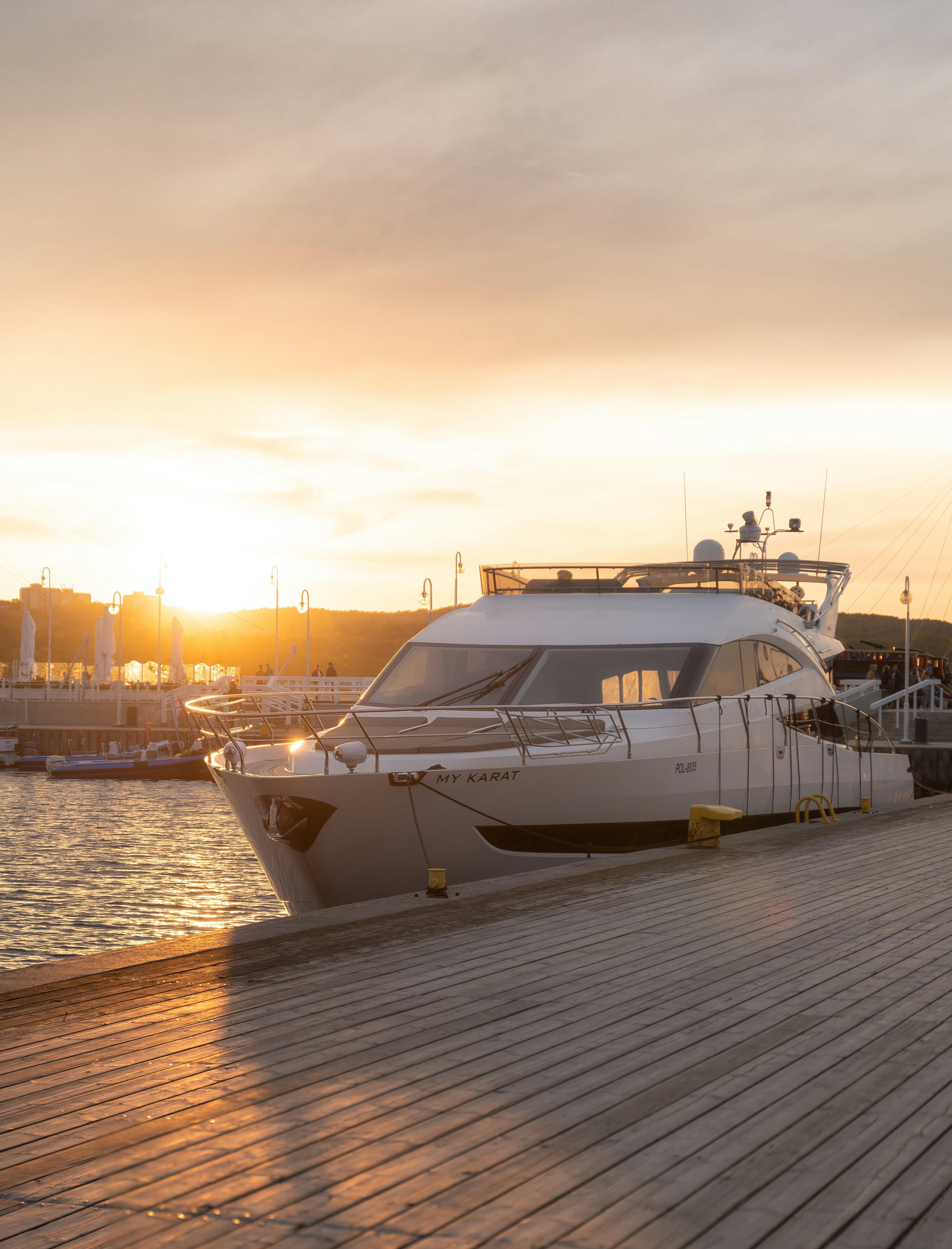
Modern Launches
Newer launches are typically made from fibreglass or aluminium. They range from compact cruisers to luxurious flybridge models.
Fibreglass: Offers a quieter, smoother ride and slick finishes. More common in larger, offshore-capable launches.
Aluminium: Lightweight, rugged, and easy to maintain—especially popular for trailerable boats and fishing-focused designs.
Modern boats often come with advanced systems and electronics, which offer convenience but can add complexity and cost to maintenance.
2. Size, Layout, and Purpose
Launches come in all shapes and sizes, from 7-metre cabin cruisers to 20-metre long-distance passagemakers. Think carefully about how you’ll use your boat:
Casual day trips: A smaller launch with a simple galley and berth may be enough.
Overnighters or holidays: Look for a vessel with comfortable sleeping arrangements, a toilet, and a reliable galley.
Fishing missions: Prioritise deck space, bait stations, and stability at rest.
Extended cruising or liveaboard: Seek solid construction, good fuel economy, and systems that are easy to maintain.
Tip: A good layout can matter more than length. A well-designed 10m boat often feels far more liveable than a poorly laid-out 12m one.
3. Hull Material: What to Know
Fibreglass (GRP)
Smooth ride, quiet underway, and sleek styling. Great for offshore work. Needs polishing and occasional gelcoat care.
Aluminium
Hardy and low-maintenance. A favourite for rugged coastlines and fishing. Slightly noisier but highly practical.
Timber (e.g. Kauri)
Timeless and tough, but needs commitment. Ideal for those who enjoy hands-on maintenance and classic design.
Steel
Mostly used for heavy passagemakers. Very strong but needs vigilant rust protection.
4. Running Costs: More Than Just Fuel
Launch ownership isn’t just a one-time purchase. Here’s what you’ll need to budget for:
Mooring or Marina Fees: From around $1,500/year for a basic mooring up to $20,000+ for a premium marina berth in places like Auckland.
Insurance: Depending on the boat’s value and location, expect to pay $800–$3,000+ annually.
Maintenance: Annual servicing, haul-outs, antifouling, polishing, and unexpected repairs add up. A common rule of thumb: 5–10% of the boat’s value per year.
Older boats, especially timber ones or those with ageing systems, can have higher ongoing costs. Always keep a maintenance buffer in your budget.
5. Survey First, Then Buy
A professional marine survey is essential—especially for second-hand boats. It reveals issues that aren’t visible during a casual inspection, like hull osmosis, engine problems, or electrical faults.
Spending a bit up front on a survey could save you tens of thousands down the line.
6. Legal Responsibilities and Safety
No licence required for recreational boating in NZ, but the skipper is legally responsible for safety.
Lifejackets must be carried for all on board.
VHF radio, navigation lights, and emergency gear are essential for coastal cruising.
For international voyages, the boat must be formally registered, and further safety certification is required.
Even if not legally required, it’s smart to take a boating safety course. It could save your life, or someone else’s.
7. Ongoing Upkeep
Every boat needs love. Launches, especially wooden ones, demand regular attention. Maintenance includes:
Engine servicing and fluid checks
Antifouling and hull cleaning
Electrical and plumbing system checks
Polishing, deck washing, and canvas repairs
Safety gear inspections
Some owners enjoy the hands-on work; others hire pros. If you’re not keen on DIY, make sure you factor in labour costs.
8. Where You’ll Cruise
New Zealand offers world-class boating. Some standout regions:
Bay of Islands – Sheltered waters, scenic anchorages, and subtropical vibes.
Hauraki Gulf – Access to Rangitoto, Waiheke, Great Barrier and more from Auckland.
Marlborough Sounds – Peaceful bays and deep inlets with good marina access.
Fiordland – Wild and remote. For the experienced and adventurous.
Where you intend to cruise can influence your choice of boat. Short hops or long journeys make sure your launch is up to the job.
Final Word
Buying a launch in New Zealand is about embracing a lifestyle—whether it’s classic charm or modern convenience, weekend escapes or offshore adventures. The key is matching your ambitions to the right vessel and preparing for the true cost of ownership.
Ask around. Take your time. Get a survey. And when you do find the right boat, go exploring. There’s no better country to do it in.