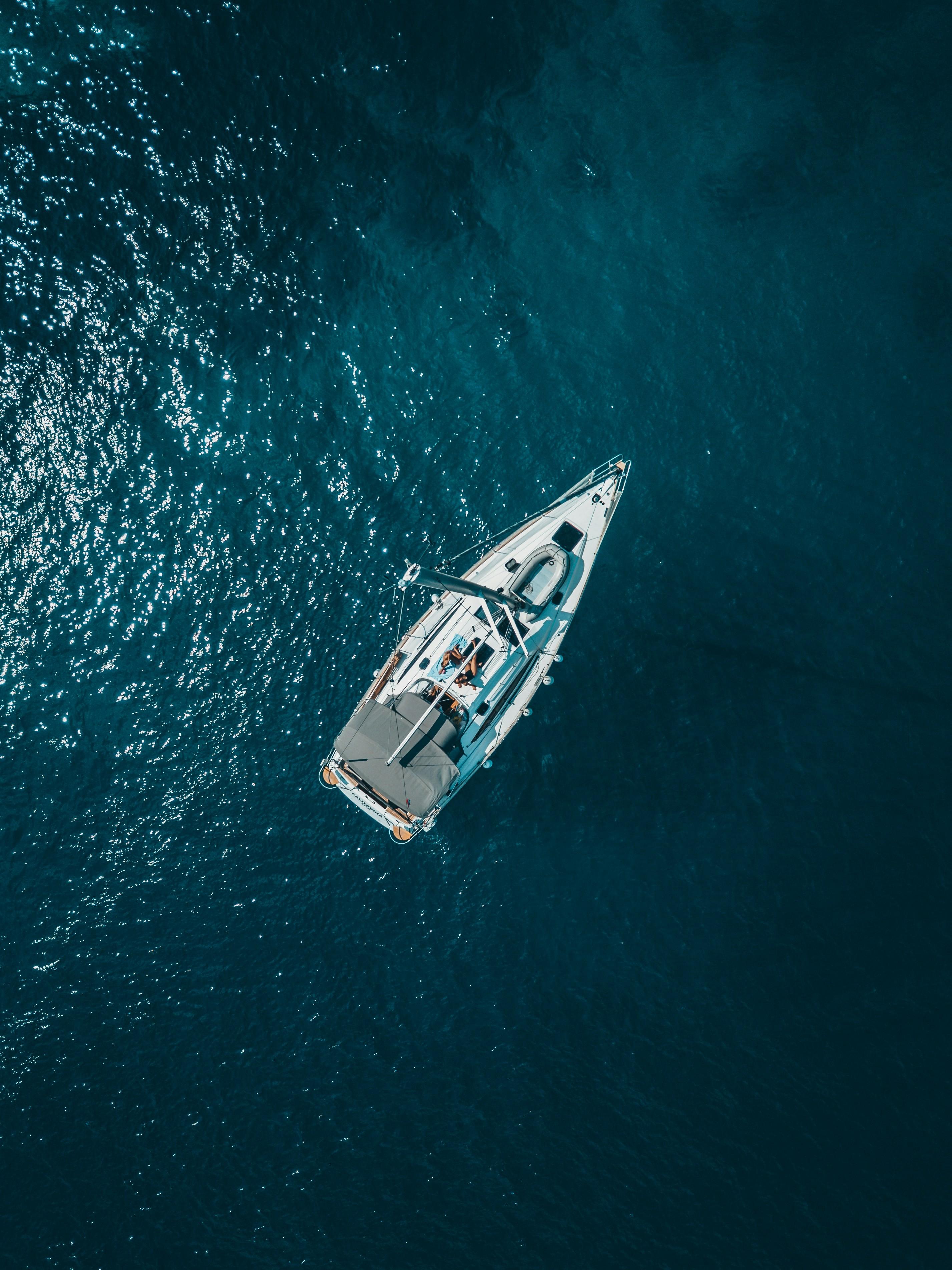
1. Know How You Want to Use the Boat
Your ideal boat depends on how you plan to use it. Are you thinking about:
Weekend sailing around your local area?
Longer coastal trips?
Club racing?
Offshore or bluewater cruising?
Knowing this upfront will help narrow down what kind of boat you need in terms of size, layout, and features.
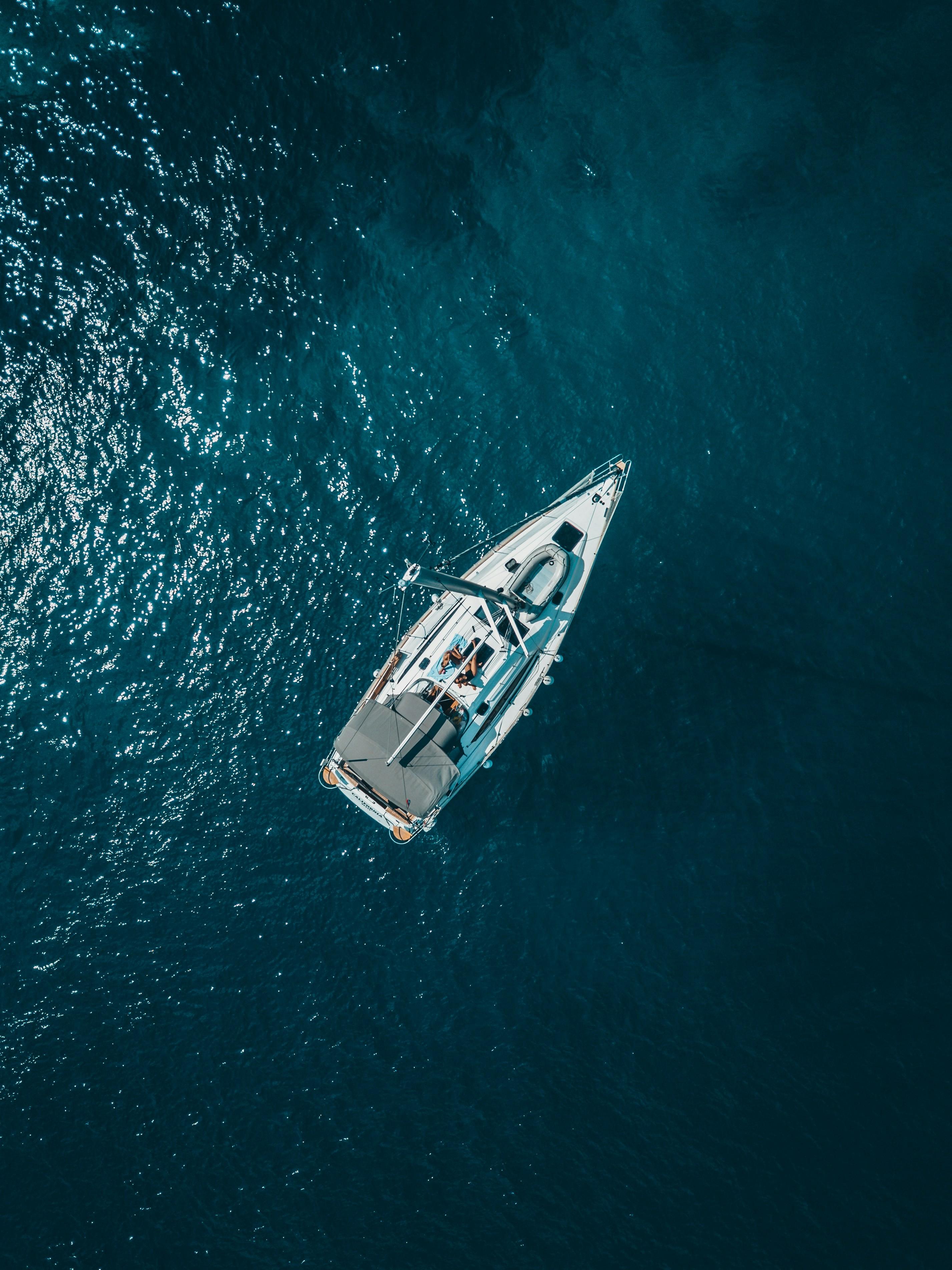
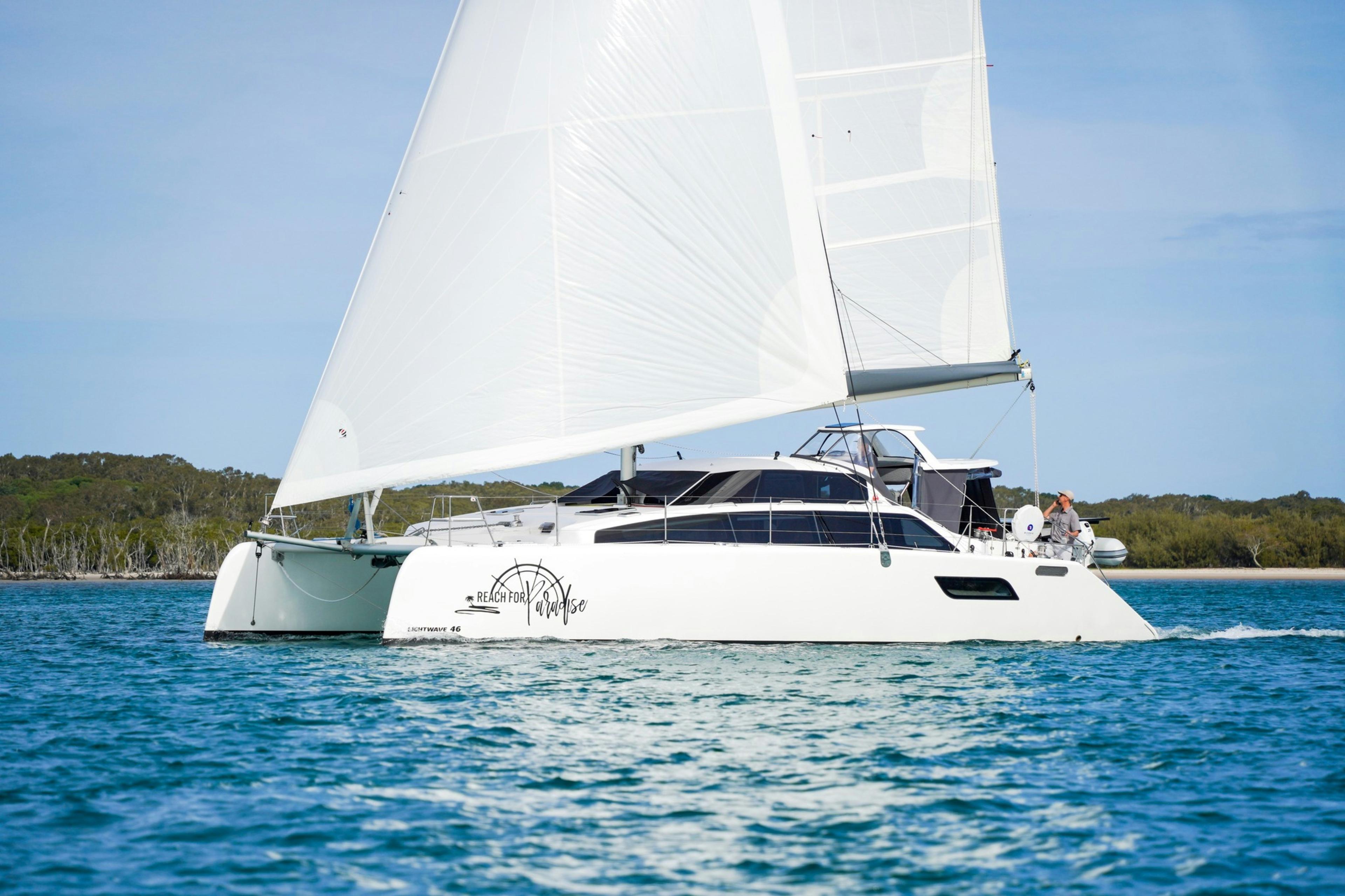
2. Monohull vs Multihull
Most sailing boats in New Zealand are monohulls, but catamarans (multihulls) are becoming more popular.
Monohulls are easier to find, usually cheaper, and handle better upwind.
Catamarans offer more space and comfort, especially at anchor, but are more expensive to buy, berth, and maintain.
If you’re just starting out or want to cruise locally, a monohull is usually the more practical option.
3. Choosing the Right Size
The right size boat depends on your budget, experience, and how you plan to sail. Here’s a general guide:
25–30ft: Good for beginners or day sailing
30–35ft: Suitable for coastal cruising with a couple or small family
35–45ft: More space for extended trips or offshore passages
45ft+: More comfort and capability, but higher running costs
A boat that's too big can be hard to handle and expensive to maintain. Start with what you can confidently sail.
4. What to Look for in the NZ Market
When buying a sailing boat in NZ, look for:
Good build quality – Many older NZ-built boats are solid and seaworthy.
Up-to-date maintenance – Pay attention to rigging age, engine condition, and hull integrity.
A dry interior – Signs of water leaks can point to bigger problems.
Reliable anchoring setup – Essential for safe overnight cruising.
Popular brands include Beneteau, Jeanneau, Bavaria, Hanse, and various locally built yachts. Some hold their resale value better than others.
5. Used vs New
Most buyers in NZ go for used boats. You’ll get more value for your money, but it’s important to:
Get a marine survey before buying
Ask for maintenance records
Take the boat on a test sail
New boats are great if your budget allows, but wait times can be long, and costs are significantly higher.
6. Storage and Mooring Options
Before you buy, think about where you’ll keep the boat.
Berths in marinas can be expensive and hard to come by in popular areas.
Swing moorings are more affordable but less convenient.
Pile moorings and dry stacks may be options depending on your location and boat size.
Also consider the boat’s draft, some harbours are too shallow for deep-keel yachts.
7. Ongoing Costs
Owning a boat involves more than just the upfront purchase. Be prepared for:
Insurance
Annual haul-outs and antifouling
Engine servicing
Sail repairs
Rigging replacement (every 10–12 years)
Marina or mooring fees
As a general rule, budget 5–10% of the boat’s value each year for maintenance and running costs.
8. Don’t Skip the Test Sail
It’s important to take the boat out before committing. A proper sea trial will help you understand how it handles, how the systems work, and whether you feel comfortable on board.
Try to test it in conditions similar to how you’ll normally sail, not just a calm morning.
Final Thoughts
Buying a sailing boat in New Zealand can be an amazing step toward a more adventurous lifestyle. But it pays to take your time, do your homework, and be honest about what you need (and what you don’t).
If you get it right, you’ll have a boat that suits your goals, your budget, and the unique conditions of sailing in NZ waters.