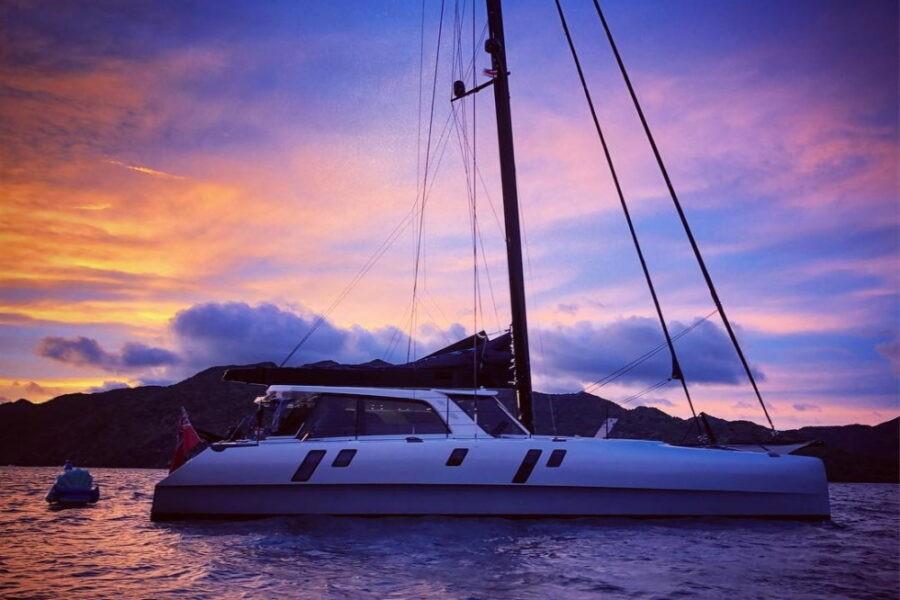
Not since fibreglass replaced timber has the boating industry faced such concentrated disruption. Electric propulsion, advanced composites, hydrofoil technology, and genuinely fresh thinking about what a boat is for have combined to produce a new cohort of builders challenging every orthodoxy that came before them. Here are eight of the most compelling innovation categories redefining the industry right now.
1. Foil Assisted: Flying Above the Problem
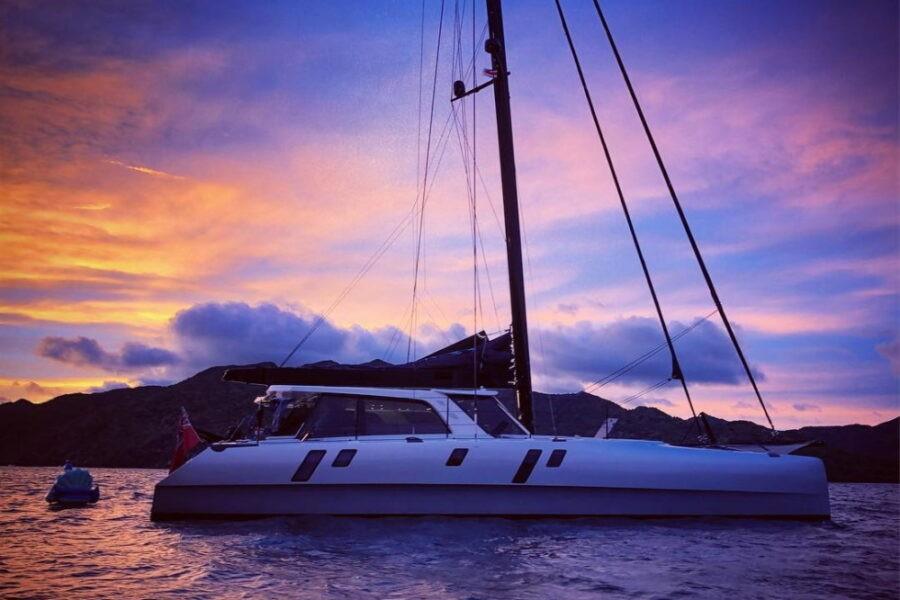
Hydrofoiling is the defining technology of the moment. By lifting the hull clear of the water on submerged computer-controlled wings, foiling vessels slash drag so dramatically that electric propulsion becomes viable at real speeds over real distances. Vessev, an Auckland based marine technology startup, has built the VS9, a fully electric hydrofoiling passenger vessel made largely from carbon fibre. It became the world's first certified tourism electric hydrofoil under Maritime New Zealand. California startup Navier's N30 takes the formula into luxury day boats, with a carbon fibre hull, 70-plus nautical miles of range, and a ride owners describe as a magic carpet.
2. Hybrid Power: Clean Cruising Without Compromise
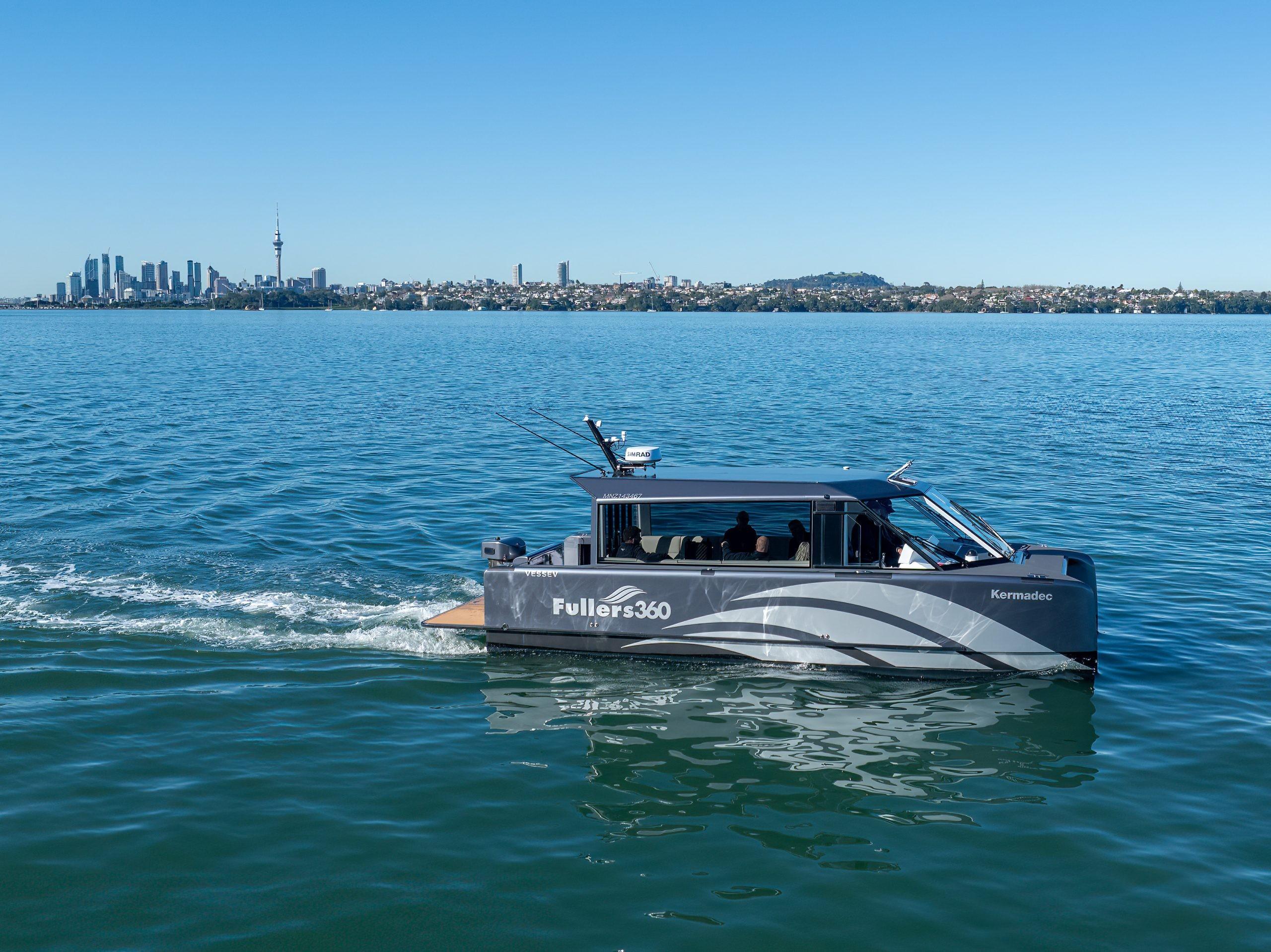
For owners not yet ready for full electrification, hybrid propulsion has matured from novelty into mainstream sense. Slovenian builder Greenline Yachts has delivered more than 1,000 hybrid yachts since 2009. Its patented 6G H-Drive sits an electric motor inline with the diesel, enabling silent 6-knot electric cruising for up to 20 nautical miles, with rooftop solar panels generating up to 4.5 kilowatts and running all onboard systems for 48 hours at anchor. The new Greenline 42 refines the formula further. For sailors, McConaghy Boats has launched the Eco Panther Series: all-electric catamarans from 48 to 68 feet, built entirely from carbon epoxy with 104 square metres of integrated solar and Oceanvolt drives that regenerate charge while underway. Sailing speeds above 20 knots on zero emissions.
3. Performance Sailing Catamarans: Taking Fast Passage Making To The Next Level
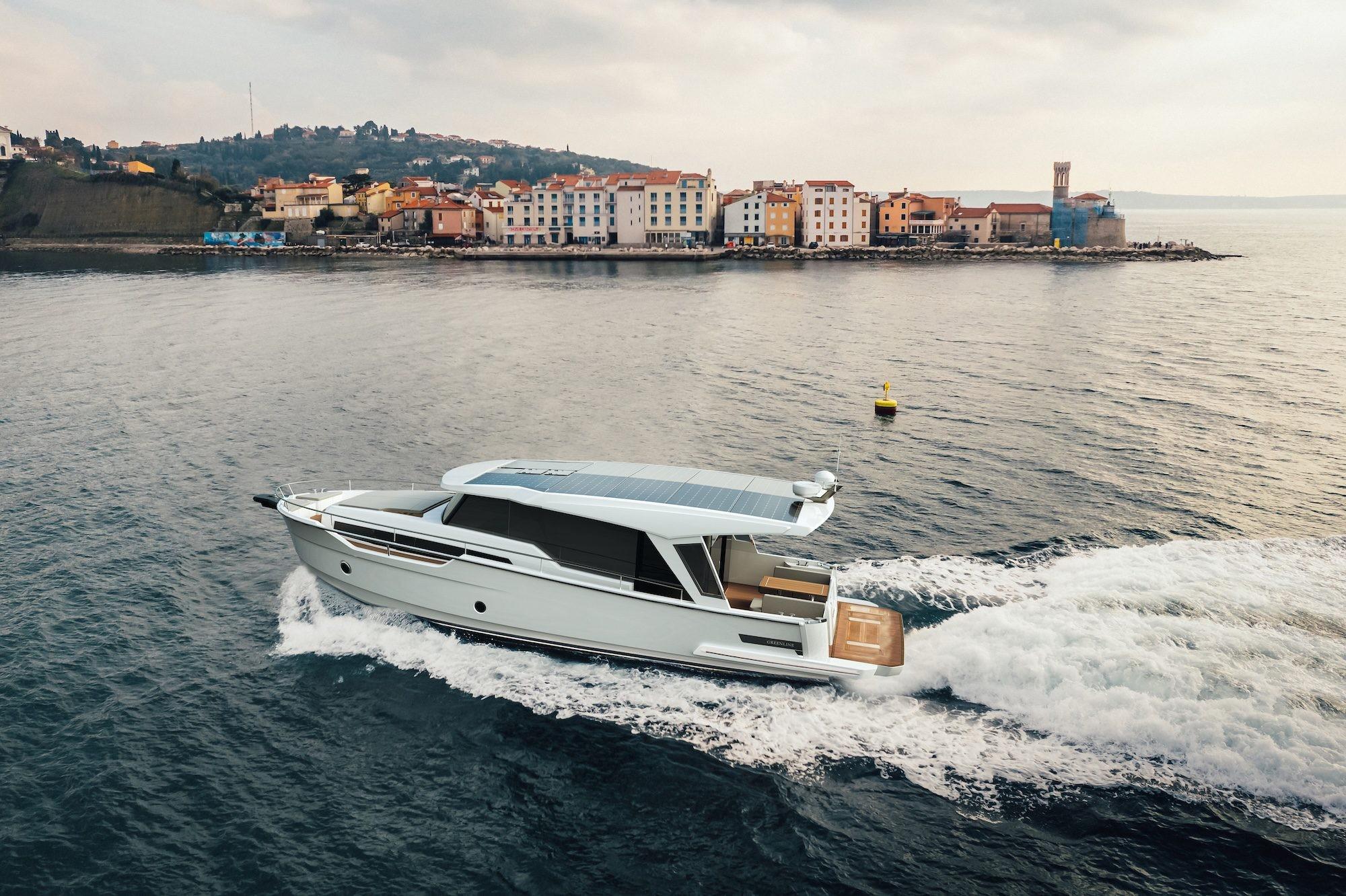
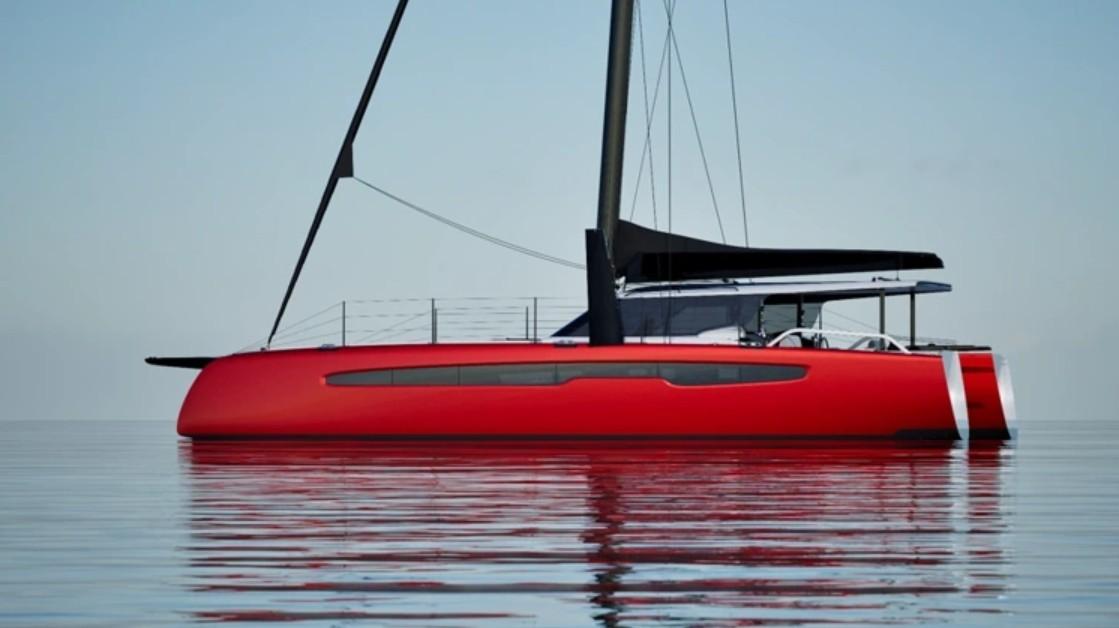
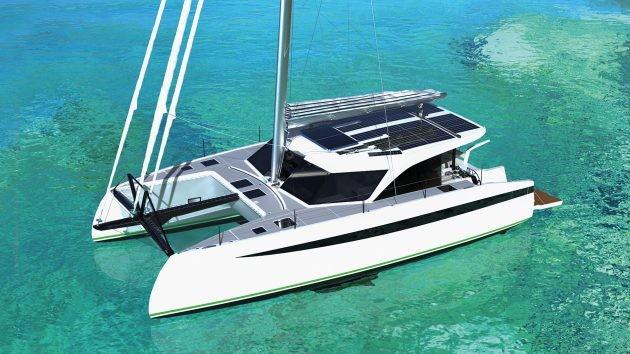
The performance catamaran sector has never seen so much ambition in one place. Gunboat's 80 Flybridge combines carbon construction with genuine superyacht volume. HH Catamarans, well represented in Australasia through Multihull Central, delivered the award-winning HH44 in 2024, standard with solar array and a near-silent hybrid engine, while the HH52 draws serious offshore interest. Australian builder Seawind launched the all-new 1270 in late 2025, a ground-up redesign of its celebrated 1260 with 35 owner-driven upgrades, with the first hull due mid-2026. Speed, sustainability, and liveaboard comfort are no longer a trade-off and new to the market is the Shift 54 Catamaran from renowned builder Paul Hakes.
4. Amphibious Craft: No Ramp, No Trailer, No Worries
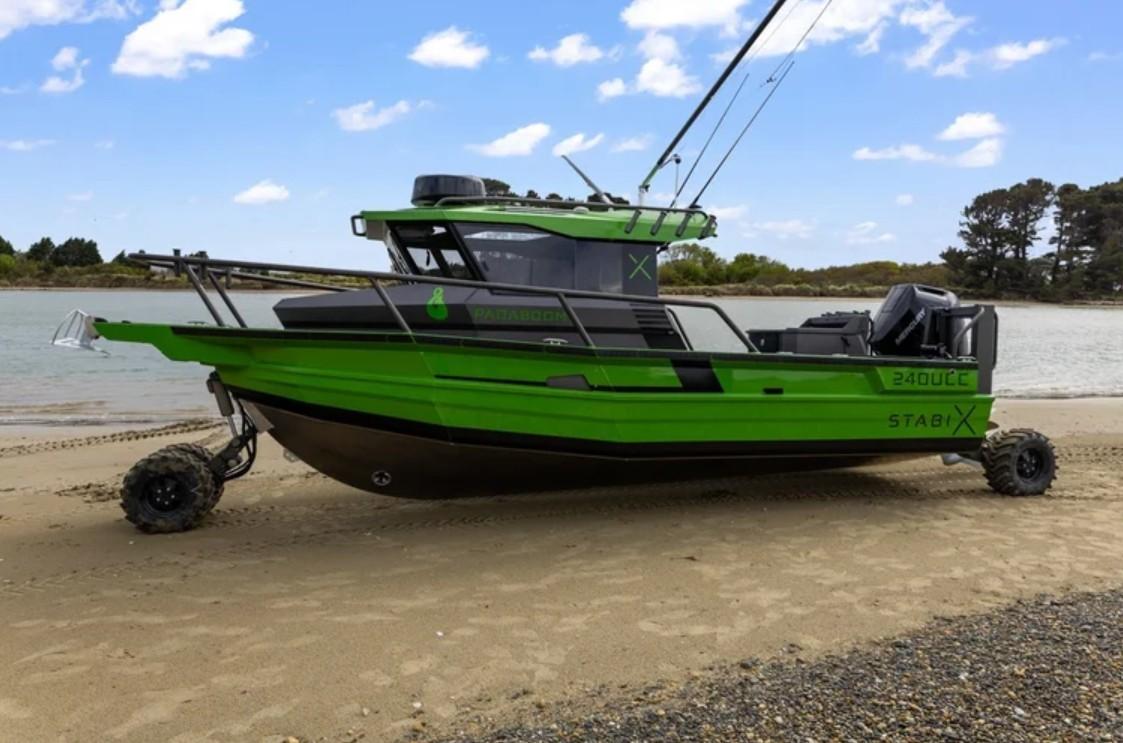
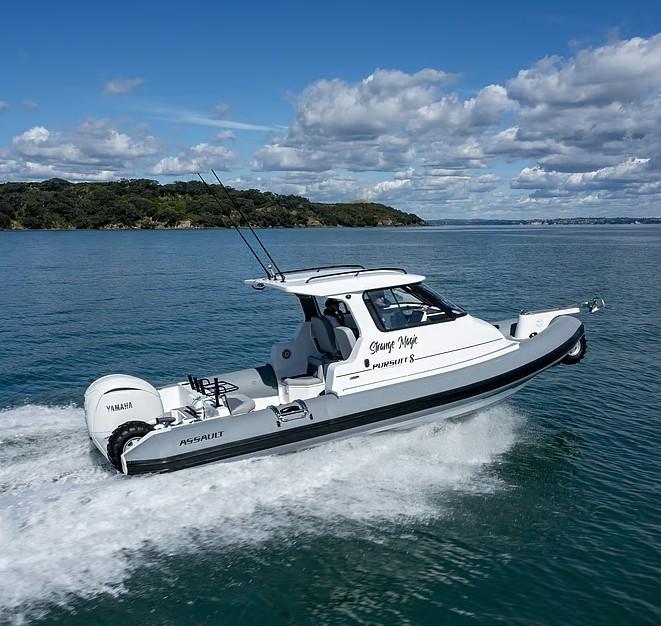
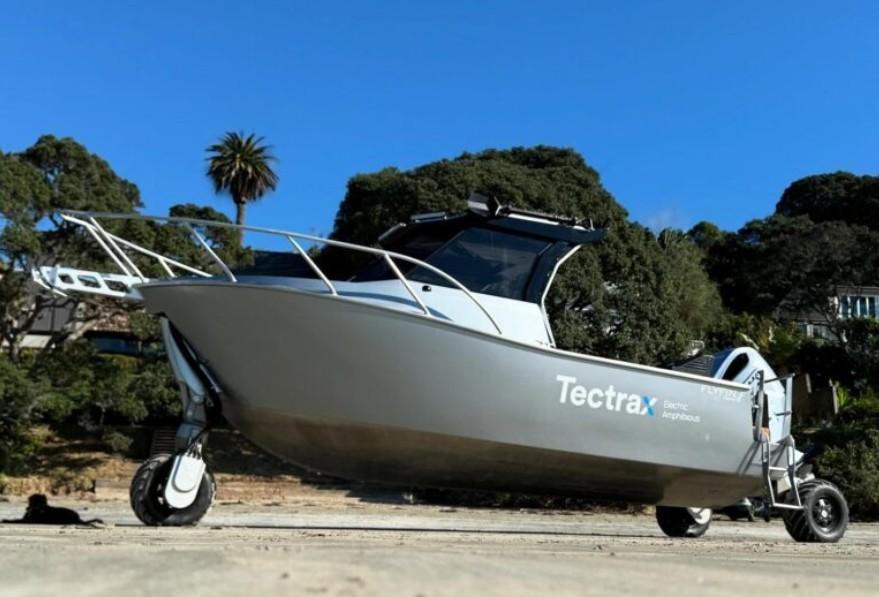
New Zealand has become a real hub for amphibious boat innovation, with several Auckland based companies leading the way. StabiX, an independent venture led by Stabicraft cofounder Paul Adams, builds amphibious adventure vessels with integrated allterrain wheel systems, including its 240UCC and 290UC models. Sealegs, the pioneer of the category since 2004, has built over 1500 amphibious craft worldwide using its own hydraulic and electric wheel systems, with a range spanning from a small 3.8 metre tender right up to a 12 metre cabin vessel. Tectrax takes a different approach, focusing purely on the wheel technology itself rather than building complete boats. Its electric, hydraulicfree amphibious system produces over 4000Nm of torque and can be fitted to existing hulls, with boat builders such as Flyfin and Osprey now using the Tectrax system in their ranges, and a new autonomous Boat Launcher trailer recently added to the lineup. Finally, Styder, founded in 2016, builds purpose designed amphibious catamarans such as the 600C and 900C, using Anura systems and suspension mounted seating for a smoother ride both on water and on land.
5. Carbon Tenders: The Dinghy Grows Up
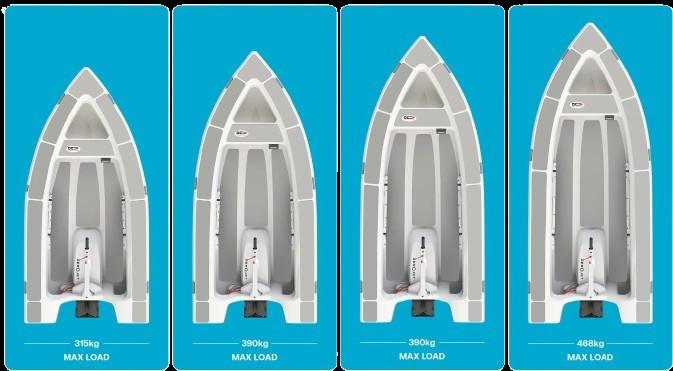
OC Tenders and ZeroJet represent two complementary strands of carbon tender innovation coming out of New Zealand and Australia. OC Tenders, based in Paihia in the Bay of Islands, builds rigid cruising yacht tenders OC300 through OC400 range, using foam sandwich construction with carbon reinforcement to produce hulls that are exceptionally light, dry and stable, with the full carbon OC330 weighing only around 39kg. ZeroJet, an Auckland based company that started out developing motors for electric surfboards before pivoting to marine propulsion in 2019, builds 48V electric jet drive systems that pair with the OC Tenders range, turning these lightweight hulls into quiet, efficient electric jet tenders with carbon versions weighing from around 129kg fully equipped. ZeroJet has since taken this technology upmarket through a joint venture with McConaghy Boats on the Gold Coast, producing the MC ZERO range of all carbon electric jet tenders for the superyacht market, including the twin jet MC ZERO 450 and single jet MC ZERO 325, both of which made their world debut in early 2026.
6. Versatile Multi-Purpose Platforms: One Boat, Every Day
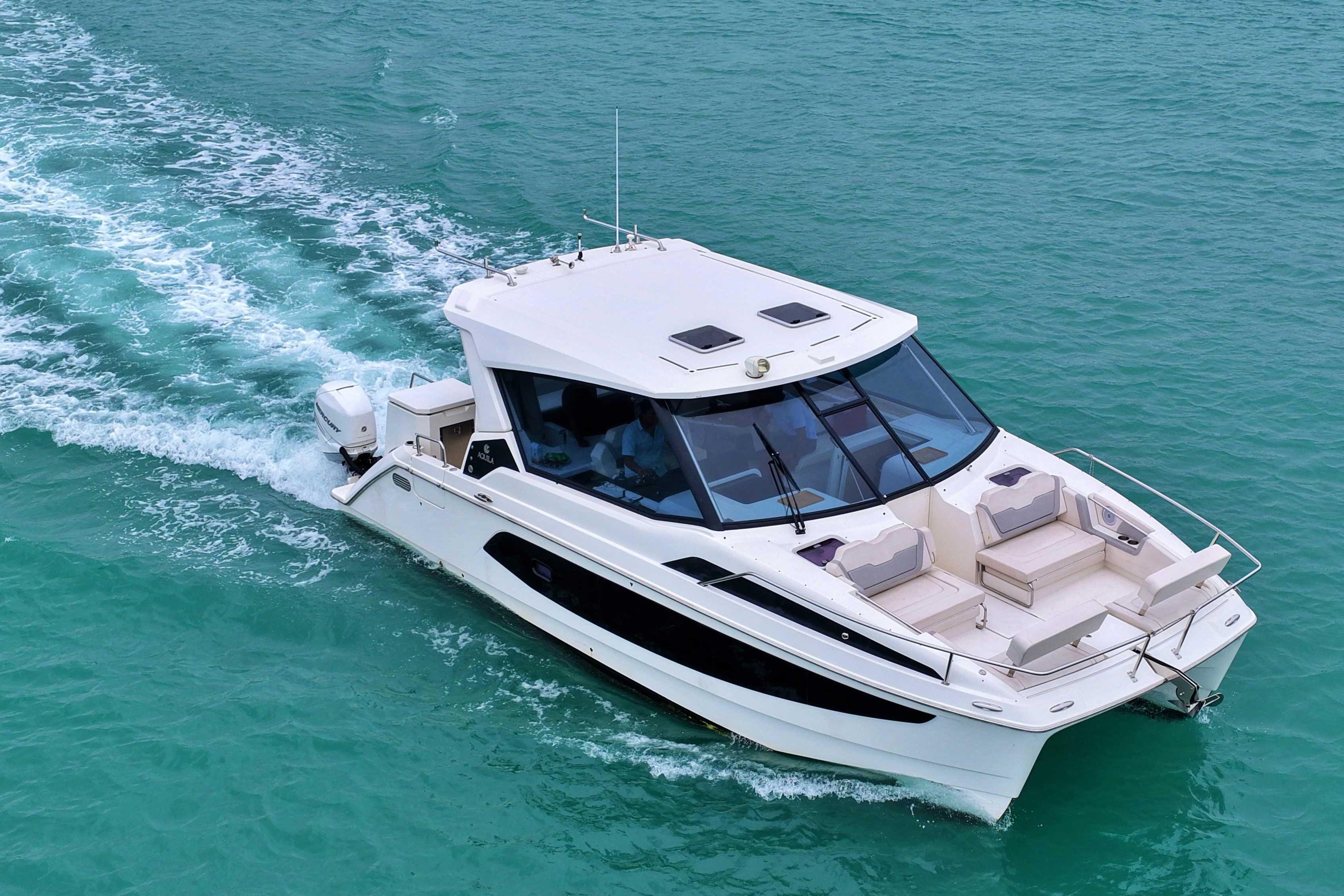
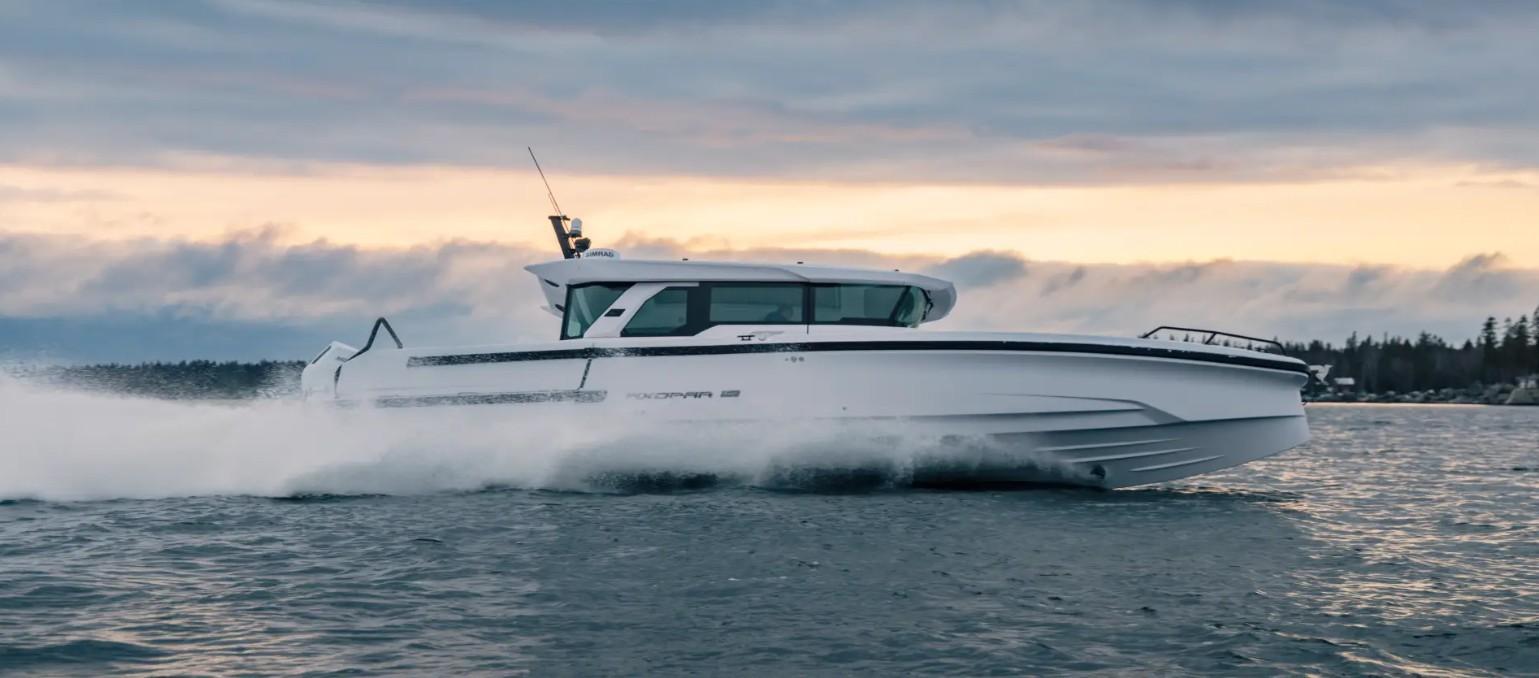
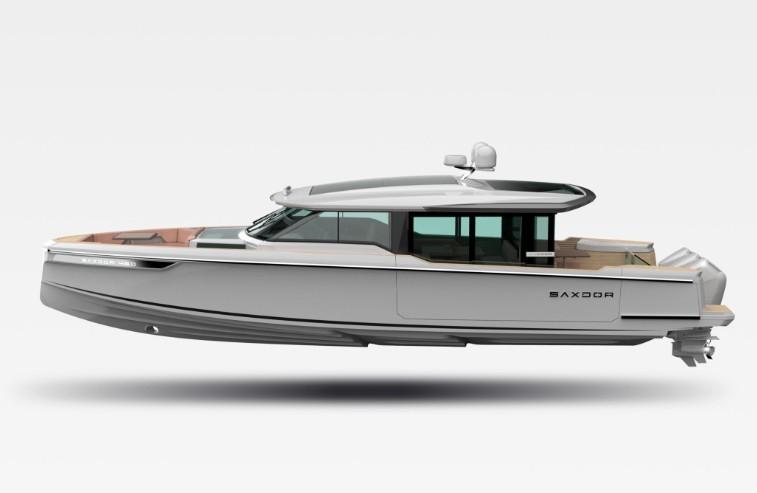
The buyer who wants a single boat that fishes, cruises, day trips, and entertains is no longer being asked to compromise. The Aquila 36 power catamaran is a strong example: premium features, cutting-edge navigation, spacious open-concept layout, and a hull form that delivers equal competence in every scenario. The wide beam and shallow draft that make the power cat format fast and stable also generate the deck space and volume that genuine versatility demands. Axopar and Saxdor, both Finnish brands, share a philosophy of building one boat that adapts to many uses rather than serving a single purpose. Axopar, self styled as The Adventure Company, designs its range of 22 to 45 foot boats to be versatile enough for any use, with models like the 45 XC Cross Cabin combining accommodation with space for water toys, and the new 38 range adding folding aft platforms that double as extra seating or social space.
7. Modern Classics: Old Soul With Modern Performance
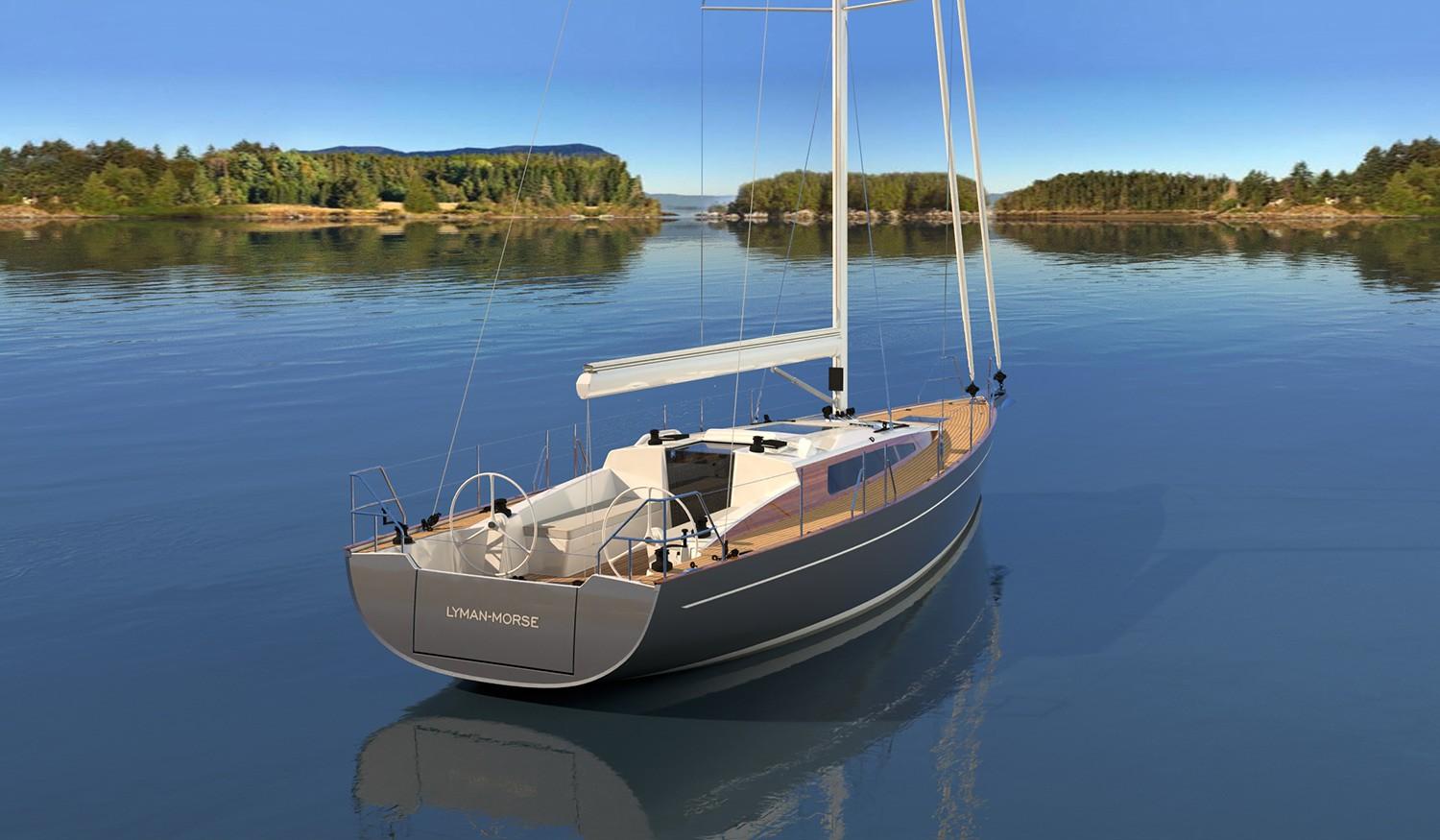
Not every buyer wants a boat that looks like it arrived from the future. Maine-based Lyman-Morse Boatbuilding has built cold-moulded wooden performance yachts for nearly 50 years, most recently the LM46, designed in partnership with New Zealand's Kevin Dibley, which combines Douglas Fir and Western Red Cedar construction with a performance sail plan capable of winning offshore races. The Hood 42 LM and Hood 46 LM collaborations with C.W. Hood Yachts extend the same philosophy: timeless exterior design over a modern hull with modern systems. In a market where production boats increasingly look identical, the modern classic commands premium pricing and builds lifetime loyalty.
What This Means for New Zealand & Australian Boaters
The choice for buyers has never been richer, and the brands earning attention are the ones willing to ask what a boat should actually do, rather than what one has always done. We welcome you to find your next dream boat on Boatseekr.com and cheeky mobile app Tendr!