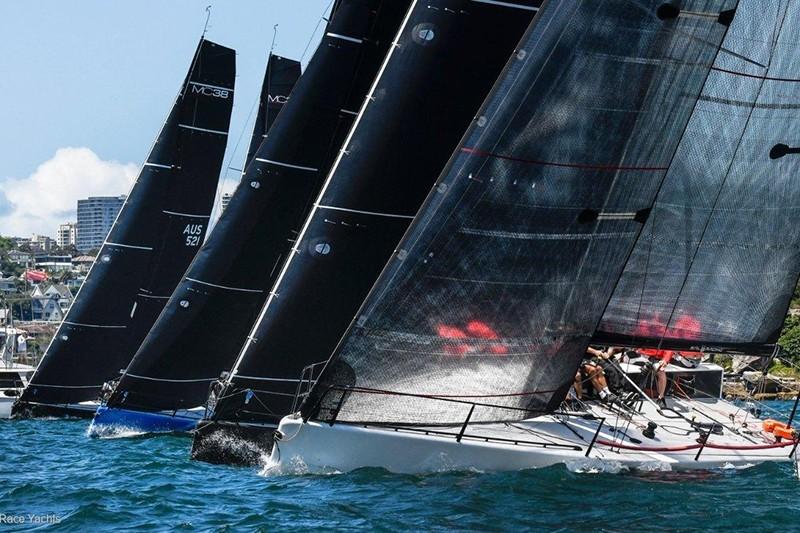
Sailboat racing is one of the most rewarding things you can do on the water. The mix of competition, teamwork and being fully in tune with your boat and the conditions is hard to match, and buying a well-sorted racing yacht is often the easiest way in.
A used racing yacht can be a rewarding buy, if it has been looked after. If it hasn't, the same boat can become an expensive lesson. The difference often comes down to one thing: maintenance.
Here’s a starting point for when you're weighing up a used racing yacht, drawing on insight from experienced racing sailors within the Boatseekr team.
Start With Maintenance History
Before anything else, find out how the boat has been looked after. Has the current owner spent time and money keeping systems, sails and rigging current, or has upkeep been more reactive?
You can't look at absolutely everything and be sure of exactly how much wear all the systems have, which is why a more reactively maintained boat can spring far more surprises after purchase than a quick look reveals.
Hull, Keel and Structural Condition
Give close attention to:
The hull-to-keel join
Chain plates
Any visible repairs
Rudder and rudder bearings
These are the areas most likely to reveal whether a boat has been raced hard, grounded, or repaired without disclosure. A clean-looking deck can hide a lot; the keel bolts and the chain plates rarely lie.
Standing Rigging
Standing rigging replacement is one of the few real deal-breakers, even on a boat that otherwise ticks every box. It is expensive, safety-critical, and not something to inherit unknowingly. Ask directly when the rigging was last replaced, and treat a vague or unclear answer as a reason to get it independently inspected.
Sail Wardrobe
Sail condition and age affect both performance and your budget in the first season of ownership. Ask how the sails have been used and stored, and how many hours they have on them. A well-kept, logged sail inventory is a strong positive signal: it usually means the rest of the boat has been looked after the same way.
Maintenance Records and Race History
A good maintenance record tells you more than a good results sheet ever will. What you're really after is proof that gear's been refreshed along the way, sails replaced, rigging kept current, rather than a boat that had a great season a while back and hasn't had much spent on it since.
Don't Buy More Boat Than You Can Run
Before you get fixed on a particular boat, think honestly about two things: what you can comfortably afford to maintain, in both money and time, and who you actually sail with.
A boat that's well within your means to maintain gets sailed and looked after properly, and the size and complexity of the systems all affect the cost and time needed for proper upkeep. Something that's particularly important to be clear on if you are in a consortium.
The same honesty applies to crew. Think about the people you currently sail with, or want to sail with, and whether the handling demands of a particular boat match their ability. A highly technical boat that needs a professional-level crew to sail well isn't much fun if your regular crew are Corinthian sailors learning as they go. You'll either end up needing to bring in professionals or face a steep and potentially gear breaking learning curve.
Consider Your Local Fleet Size and Boat Types
It's also worth looking at what has good depth in your local fleet rather than picking a boat in isolation. A Young 88 in New Zealand or a Sydney 38 in Australia are good examples: proven, well-supported one-designs with enough boats on the water to give close racing. A slower boat with plenty of competition around it can be just as rewarding as a fast boat sailed largely on your own, and it's fun to gauge your own progress against a consistent fleet.
When to Arrange a Marine Survey and Rig Inspection
A marine survey and a separate rig inspection are standard practice for a reason. The rig in particular is a specialist area, and a general marine surveyor may not catch what a rigger will. Budget for both, and treat them as non-negotiable on anything above entry-level value. For a general primer on what a survey covers, see What Is a Boat Survey.
Getting a Survey Done
A survey is usually arranged once you have a boat you are seriously considering, typically after an offer has been made subject to survey. This protects you from paying for surveys on boats you were never going to buy, while still giving you an out if the survey turns up something significant.
A few practical points:
Use a surveyor who knows racing yachts. A surveyor experienced with cruising boats may not have the same eye for race-specific wear: rig loads, structural fatigue around winches and chain plates, or repairs made to keep a boat competitive rather than seaworthy long-term.
Book the rig inspection separately, with a rigger. A general marine survey covers the hull, structure, systems and general condition. It does not replace a proper rig inspection. For a racing yacht, get both.
Be present if you can. Walking the boat with the surveyor gives you context a written report alone will not, including what they were concerned about, what they dismissed, and what is worth negotiating on versus what is a genuine walk-away issue.
Factor the cost into your budget from the start, not as an afterthought once you have found a boat. A survey plus rig inspection is a real cost, but it is a small one relative to what an undisclosed rigging or structural issue could cost you after settlement.
Use the report to negotiate, not just to decide. Findings that are fixable, such as ageing rigging or minor repairs needed, are often a fair basis for a price adjustment rather than an automatic walk-away.
A survey won't find you a perfect boat. Very few used racing yachts are. It exists to make sure you know exactly what you're buying, and that the price reflects it.
The Bottom Line
A racing yacht that has been properly looked after, with rigging current, sails logged, structural areas clean and gear refreshed, will reward you. One that hasn't will find ways to remind you, usually at the worst time.
FAQs
Do I need a marine survey before buying a racing yacht? Yes. A marine survey should be considered standard for any used racing yacht purchase, alongside a separate rig inspection.
Should the rig be inspected separately? Yes. Rigging is a specialist area, and a dedicated rig inspection will pick up on issues a general marine survey may not.
How long does standing rigging typically last? It varies with use and racing intensity, but standing rigging has a finite service life and should be replaced on a known schedule. If a seller can't confirm when it was last replaced, treat that as a prompt for further inspection.
How can I check whether a yacht has been grounded? Look closely at the hull-to-keel join, the keel itself, and the rudder and rudder bearings for signs of impact or repair work. Any visible repair in these areas warrants further questions.
How important is the condition of the sail wardrobe? Very. Sails are one of the largest ongoing costs in racing yacht ownership, and a well-kept, logged sail inventory is a strong indicator of how the rest of the boat has been maintained.
What maintenance and racing records should the seller provide? Ask for maintenance records, sail hours if logged, and any race history. The goal is to build a picture of whether gear has been refreshed over time, rather than relying on results alone.