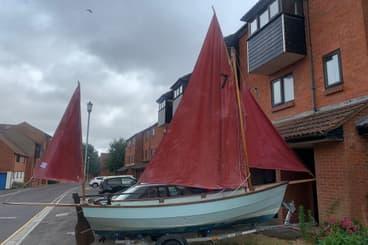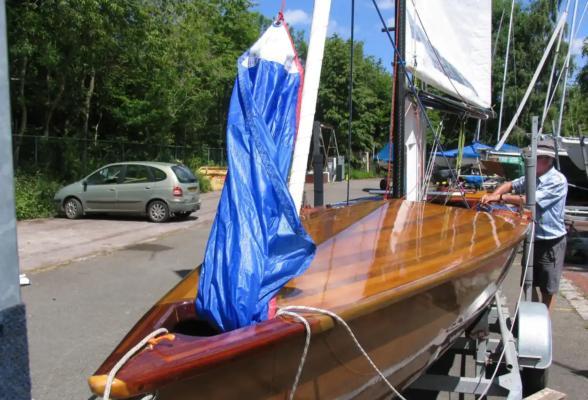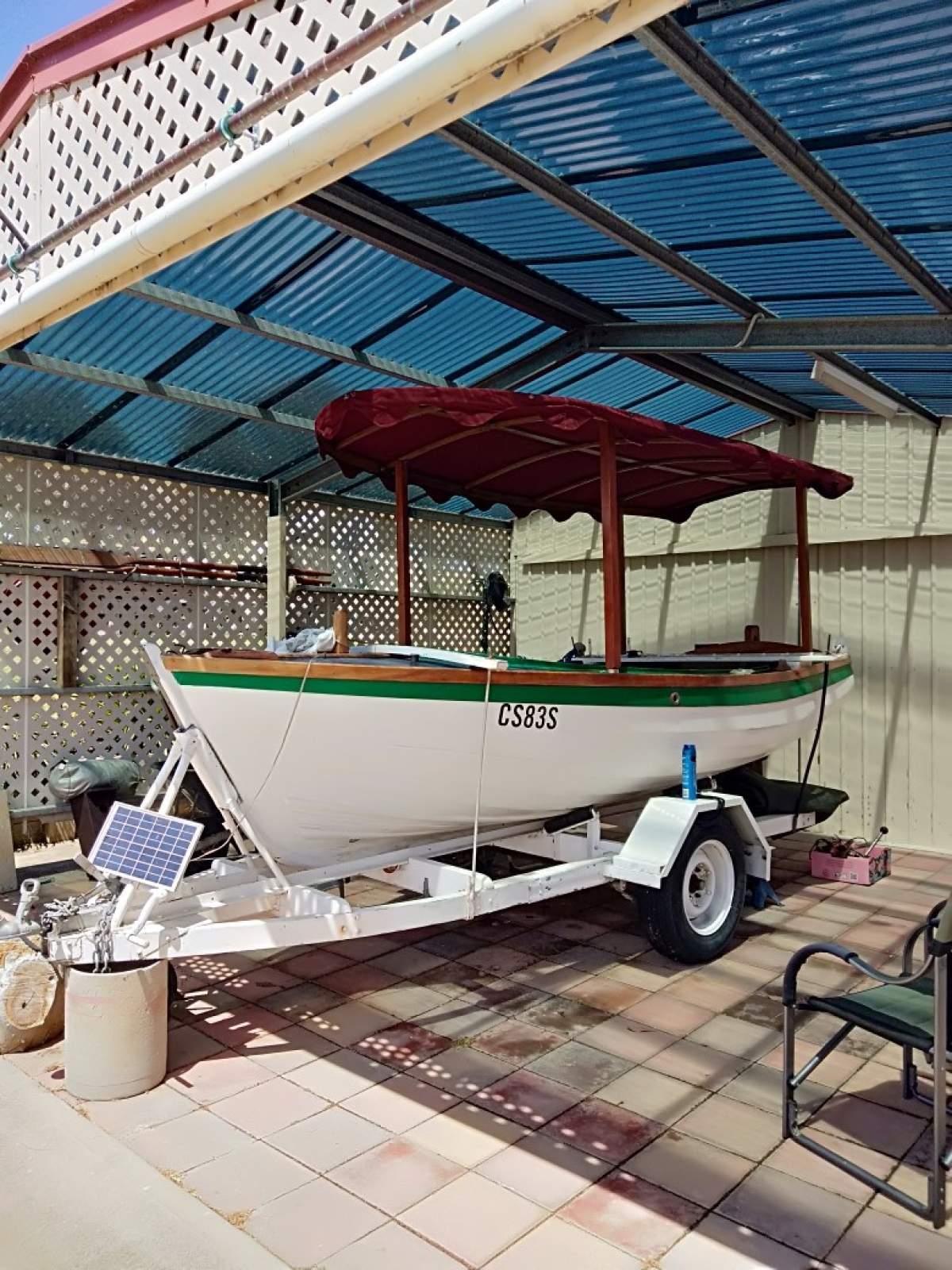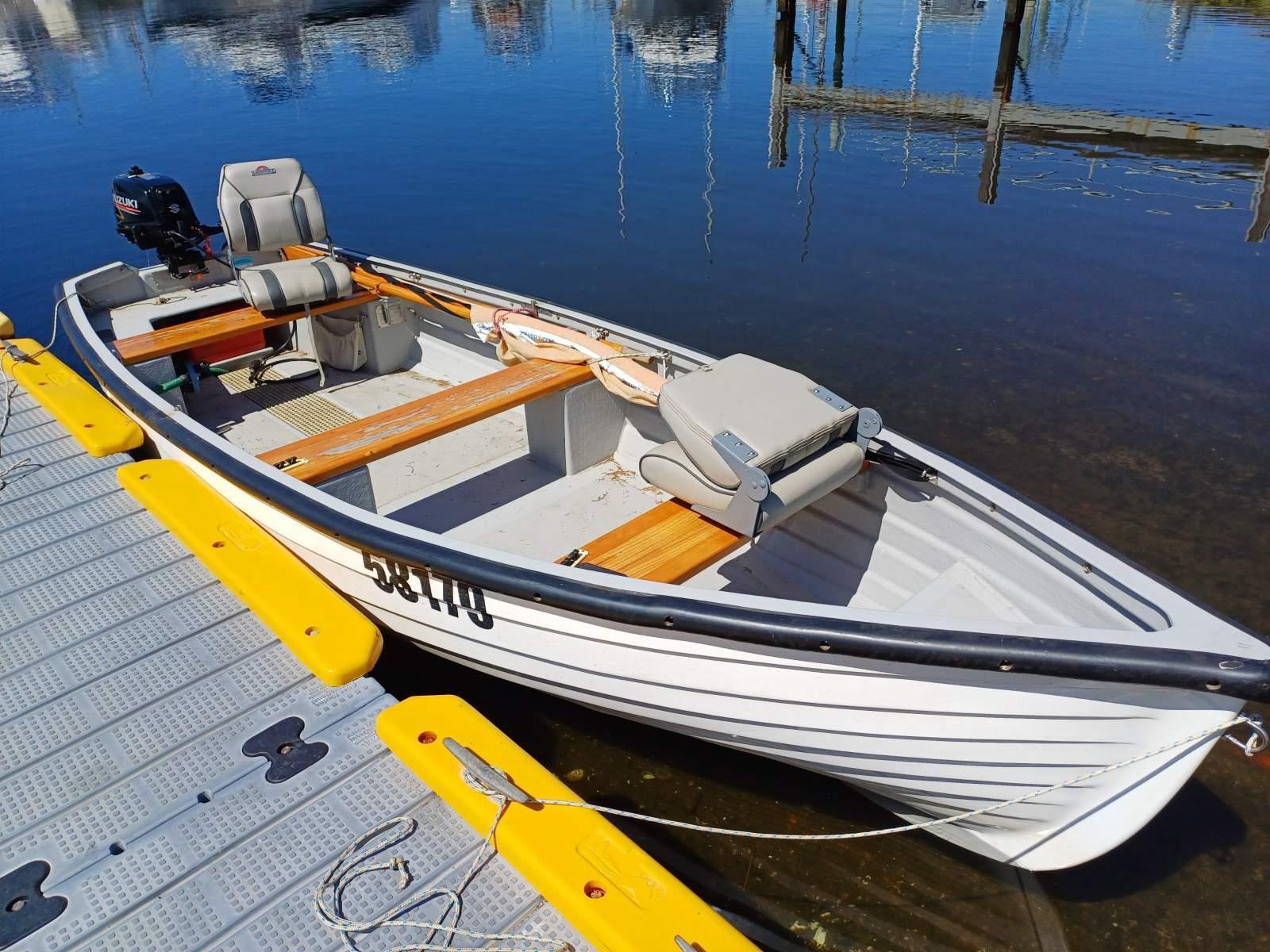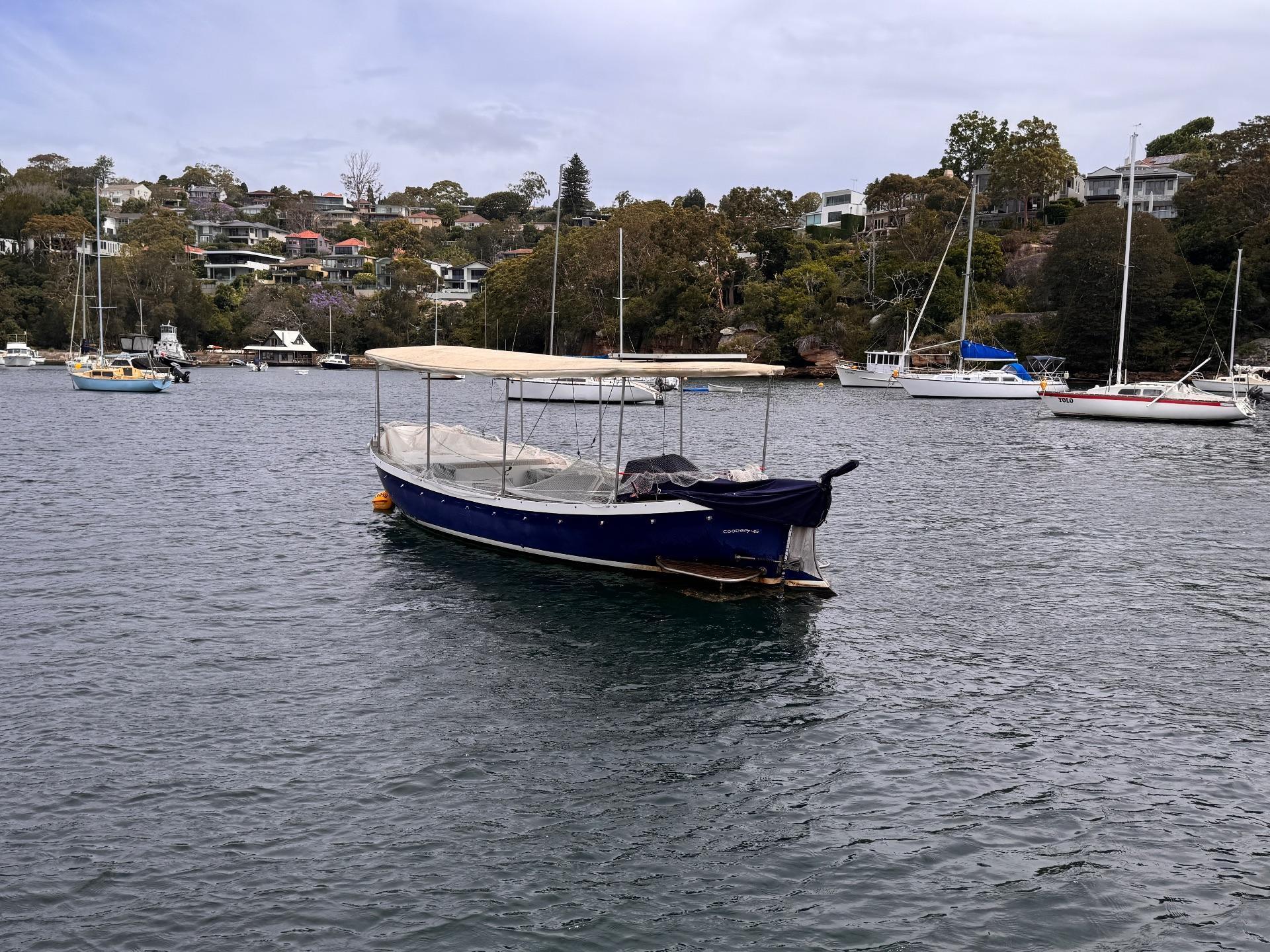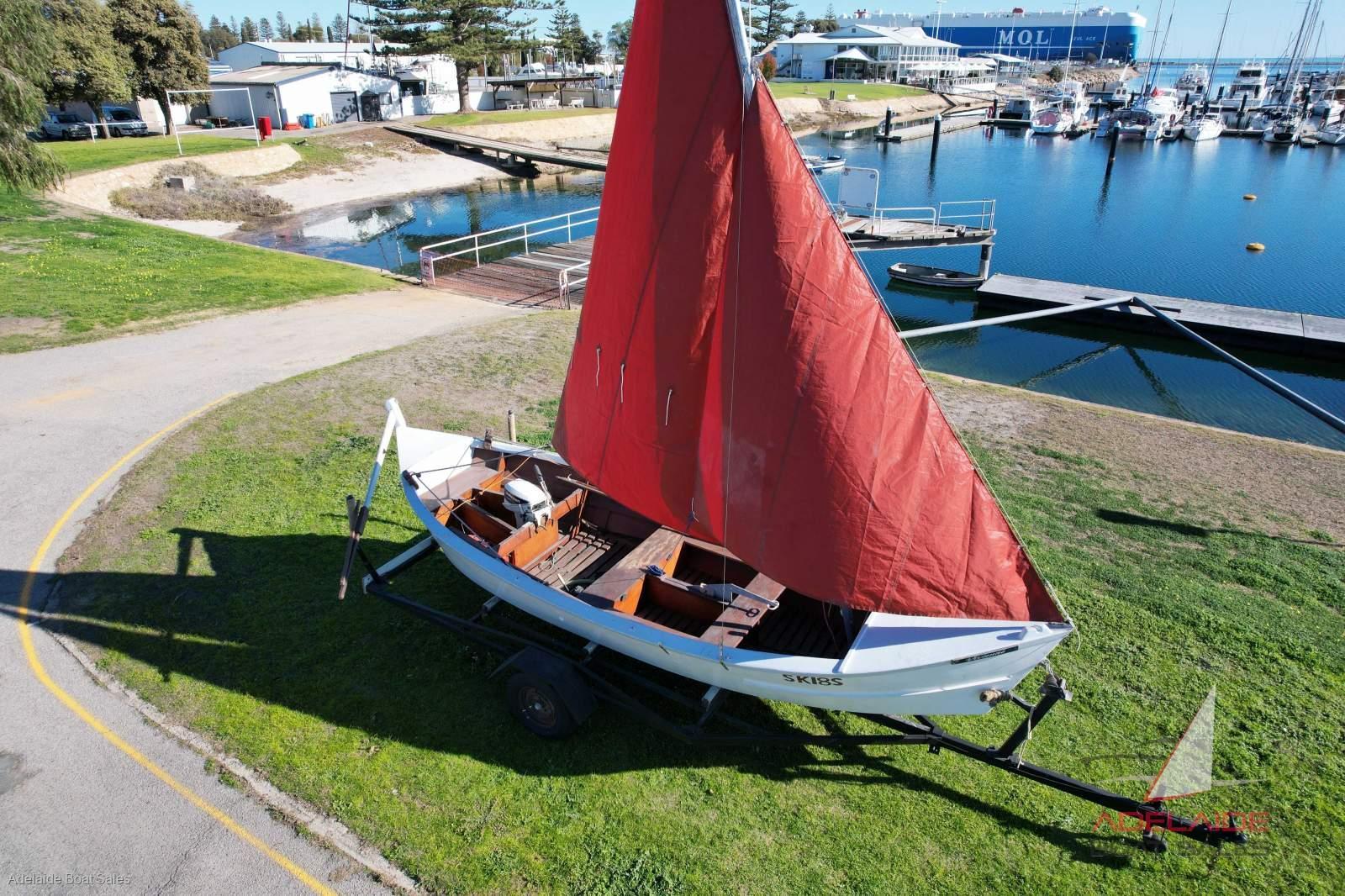

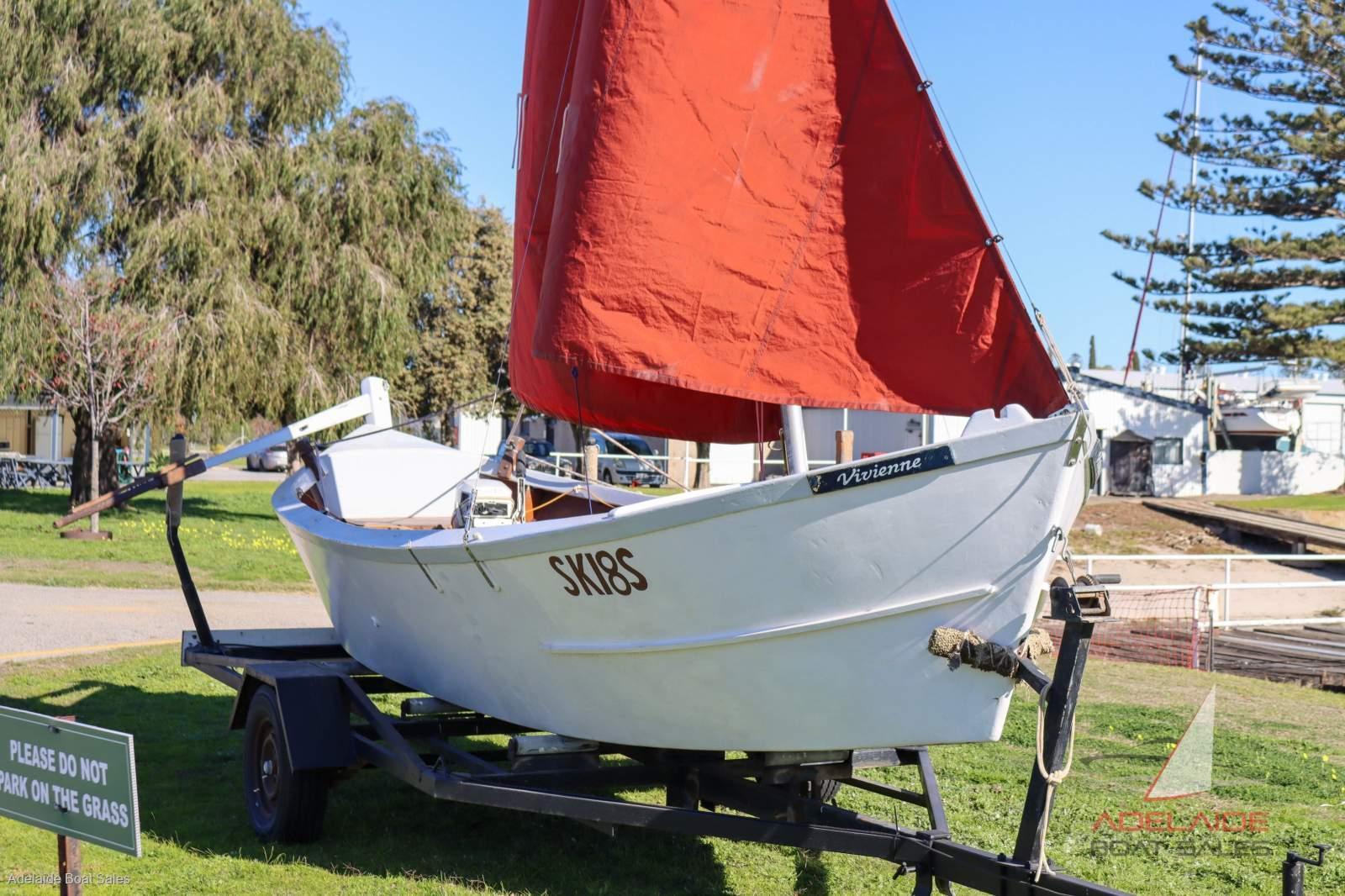
1988 Dory timber trailer sailer for sale in Outer Harbour
Outer Harbour, Australia19886mMonohull
Asking PriceBroker
$5,500 AUD
 +17 more
ModelDory timber trailer sailer
Year1988
Length6m
FuelPetrol : Petrol 2 Stroke
EngineJohnson
AI Visual Search
Match by shape & style
Overview
About this vessel
Owner will assist with delivery interstate.
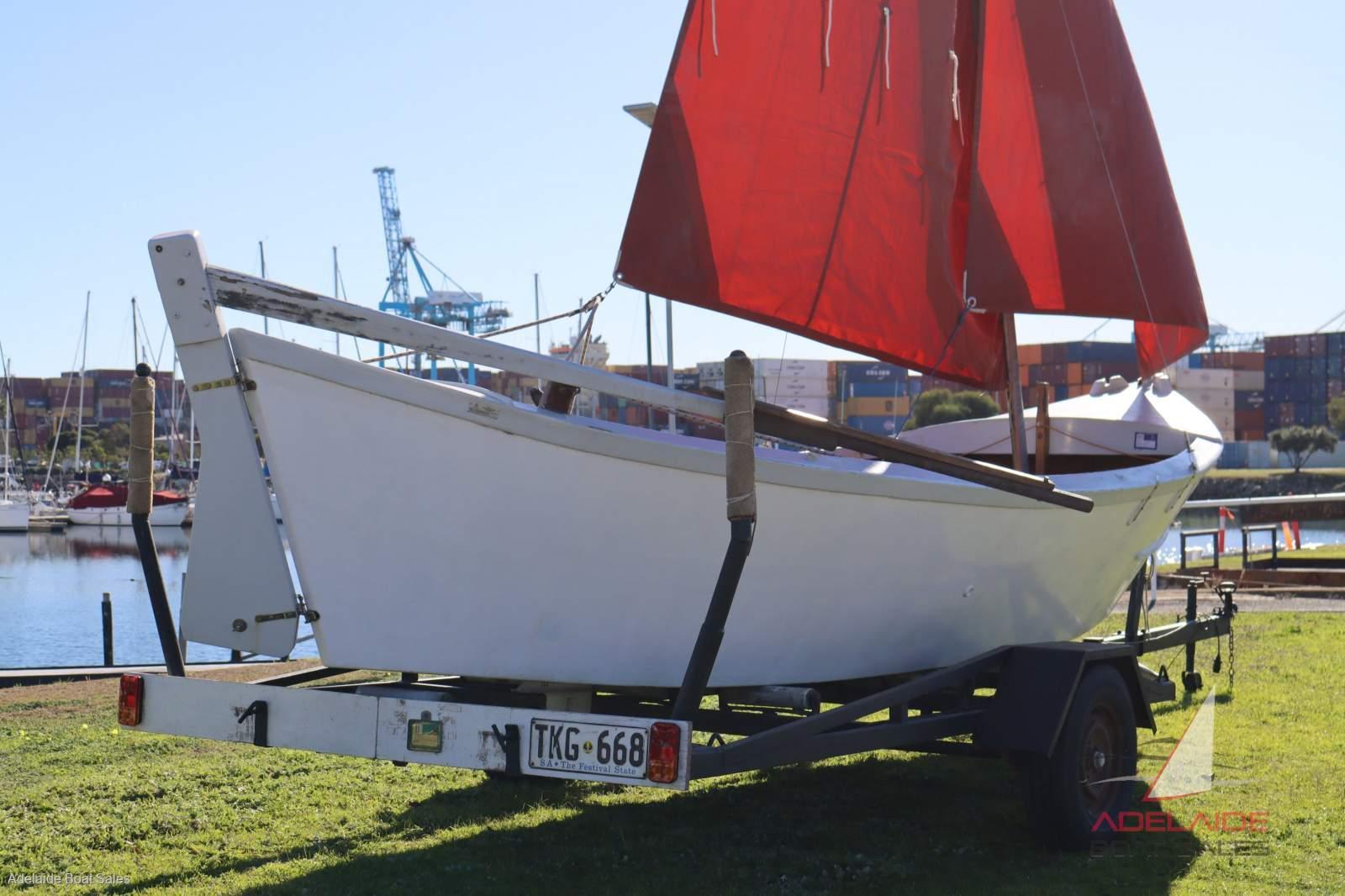
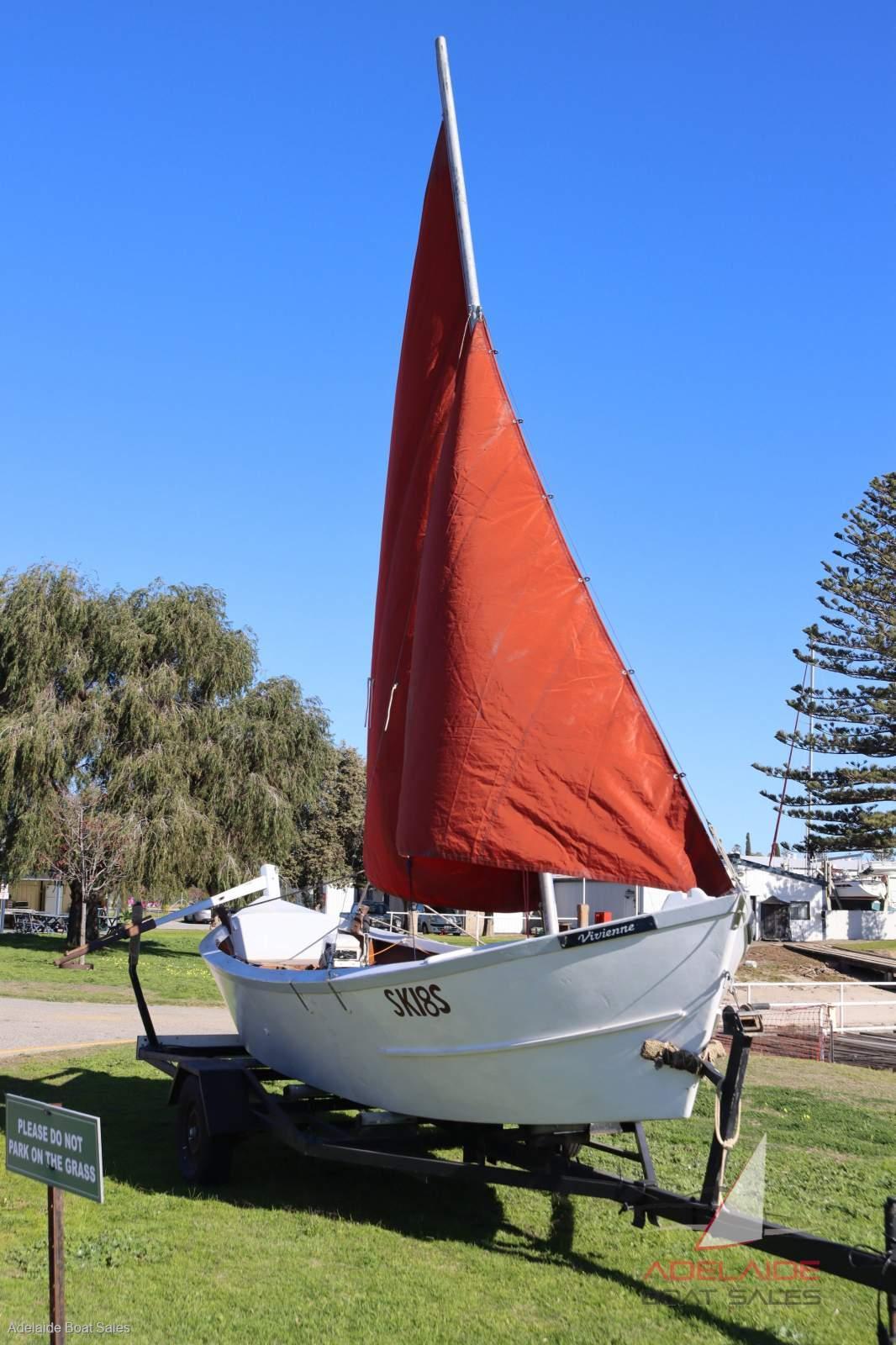
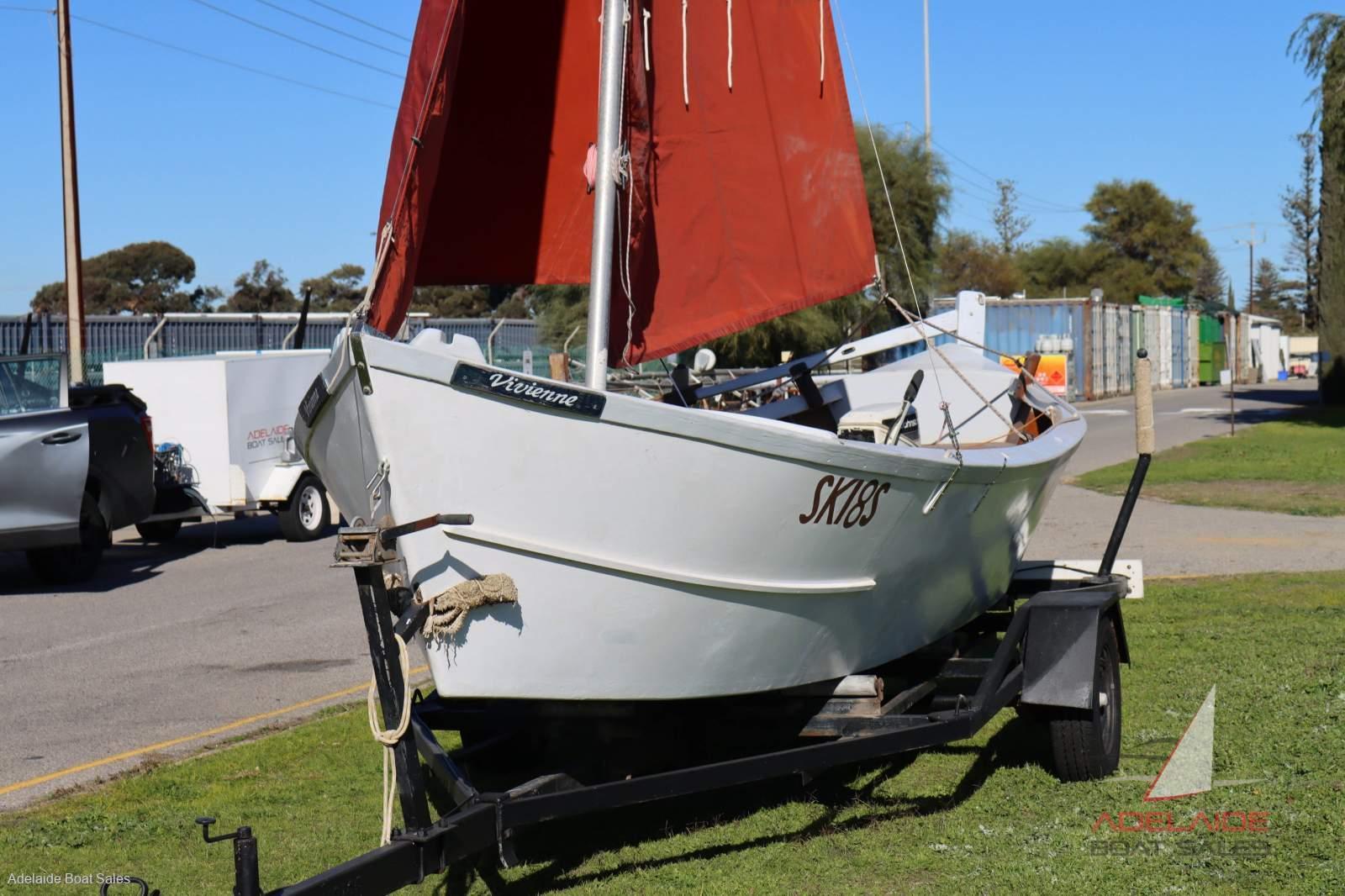
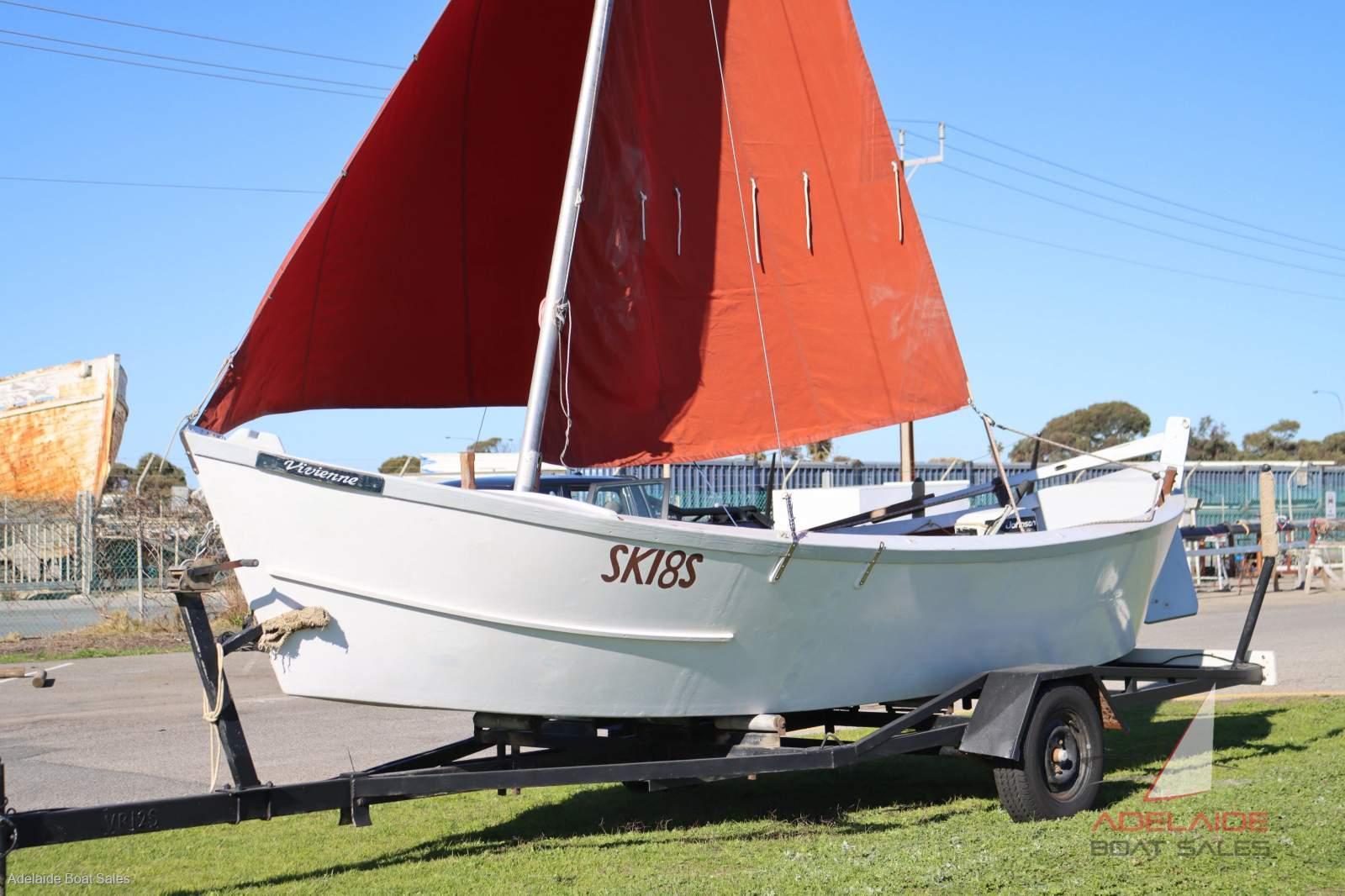
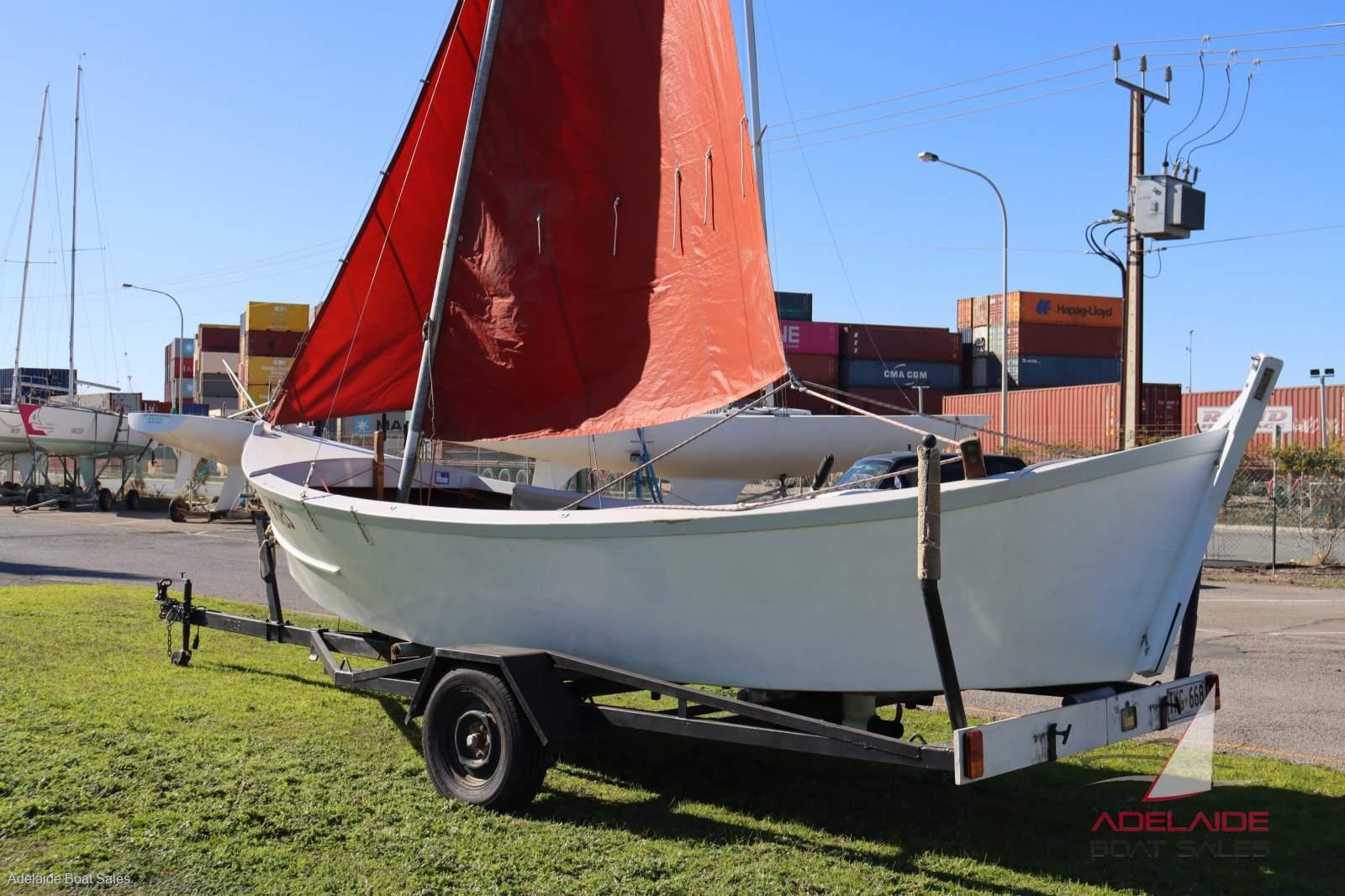
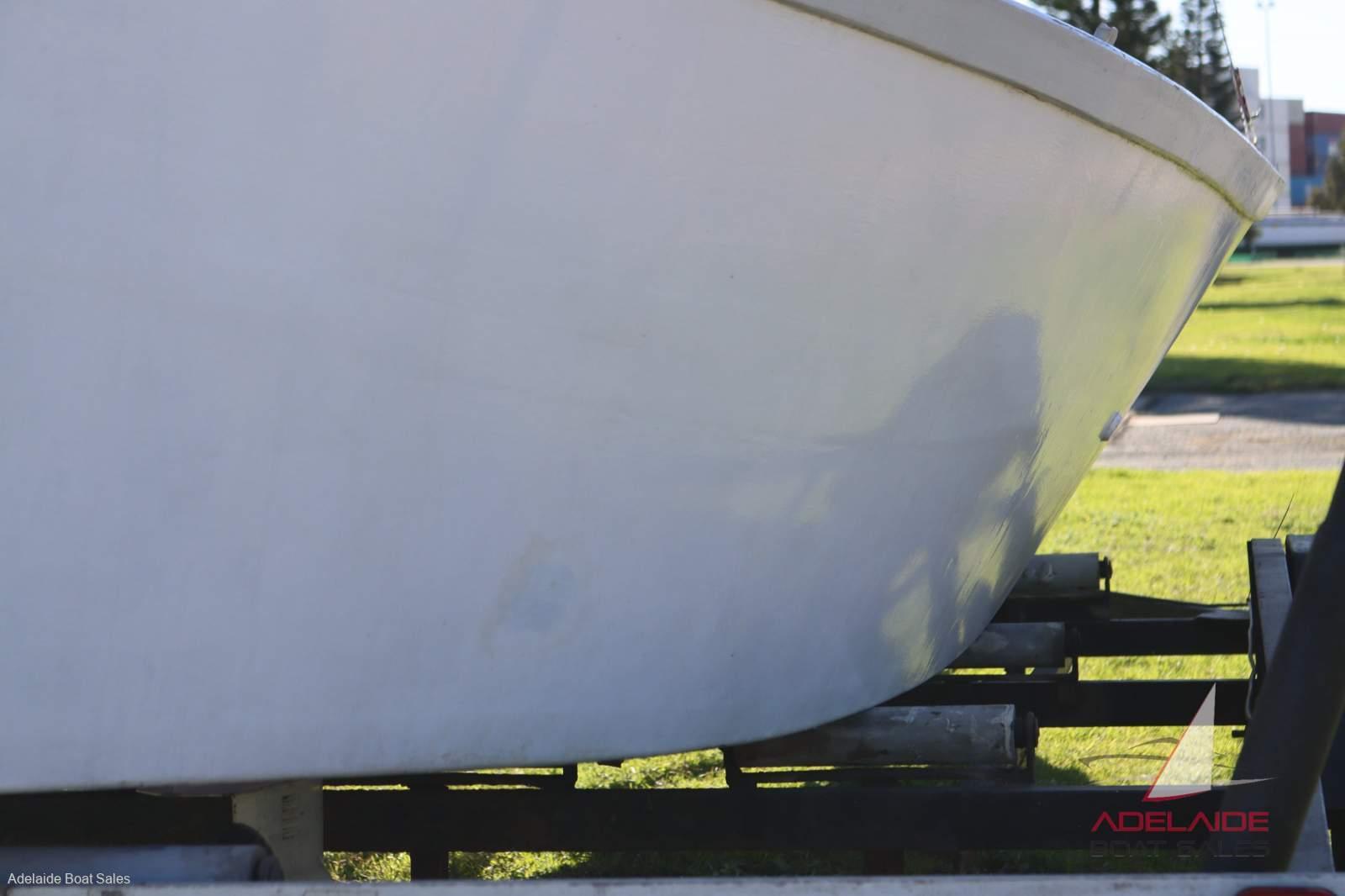
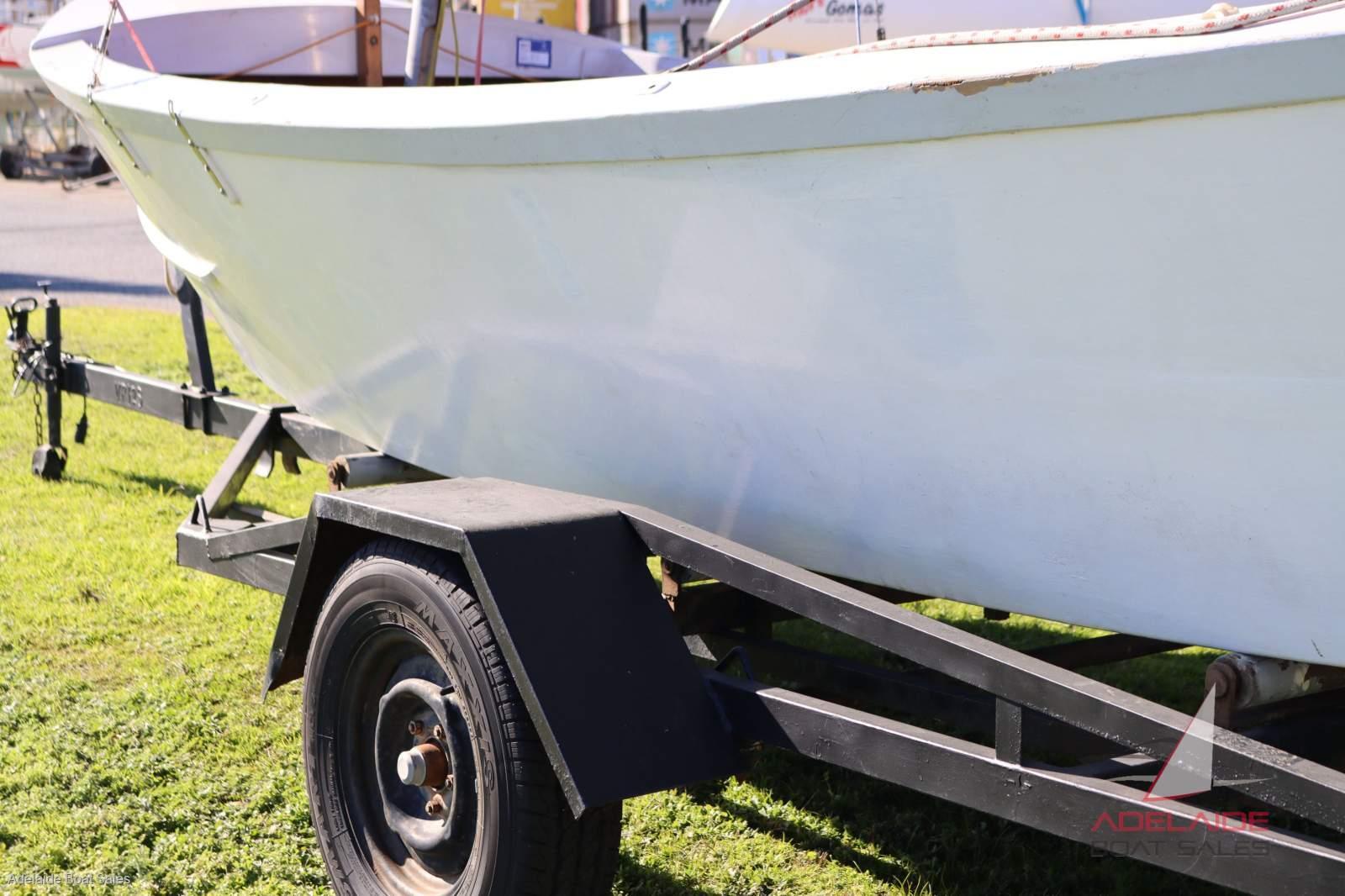
Experience the blend of timeless craftsmanship and proven performance with this standout timber dory, built in Adelaide in 1988 from robust Queensland spotted gum — a hardwood renowned for its durability and long service life in Australian boatbuilding.
Inspired by the historic working dories of the North Atlantic, this vessel embodies simple, effective design — but it's no museum piece. This dory is a fully operational, race-proven craft, equally at home cruising inland waterways or competing in regattas.
Racing Pedigree
This dory has proudly taken part in the iconic Goolwa-Milang Yacht Race, Australia's largest inland water sailing event, and the prestigious Marley Point Overnight Race, demonstrating its capability and seaworthiness in varied conditions.
Standout Features
This vessel is ideal for solo sailors or those new to timber boats, day sailing on rivers, lakes, and bays, regatta and classic boat enthusiasts, and collectors seeking a rare, Adelaide-built traditional craft with racing credentials.
Built with Heritage. Raced with Pride. Ready for the Next Chapter.
With its shallow-water capability, rich racing history, and classic lines, this timber dory is a rare offering. Don't miss your chance to own an authentic piece of Australian maritime tradition.
Specifications
The details
Vessel
ModelDory timber trailer sailer
Year1988
Dimensions
Length overall6m
Engine & Fuel
Engine makeJohnson
Engine count1
Drive typeOutboard Motor
Fuel typePetrol : Petrol 2 Stroke
Features
On board
Queensland spotted gum construction - strong, stable, and beautifully aged
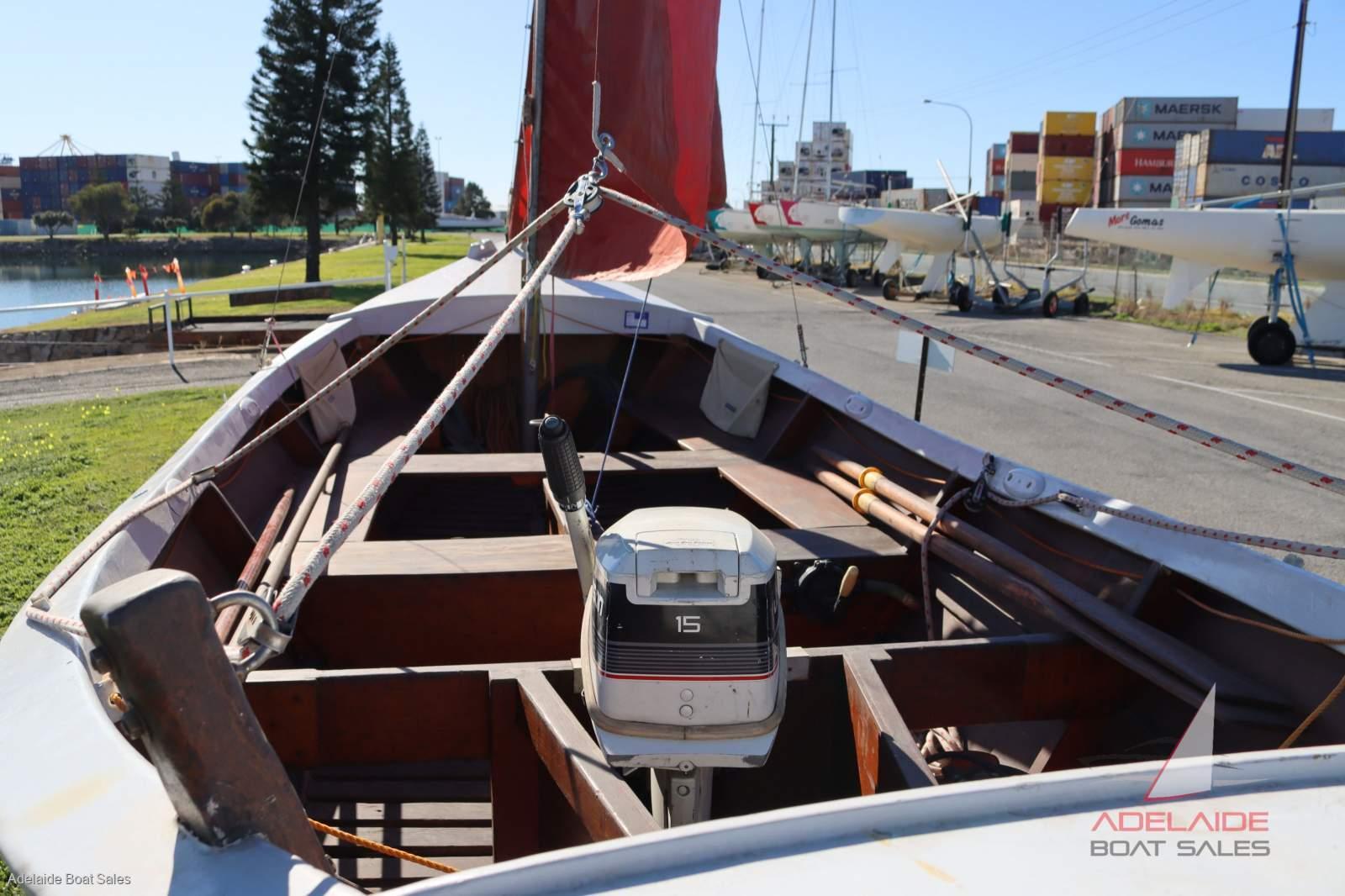
Johnson 15hp 2-stroke in-well outboard - simple, reliable propulsion
New sails with a quick, easy-to-rig layout - on the water in minutes
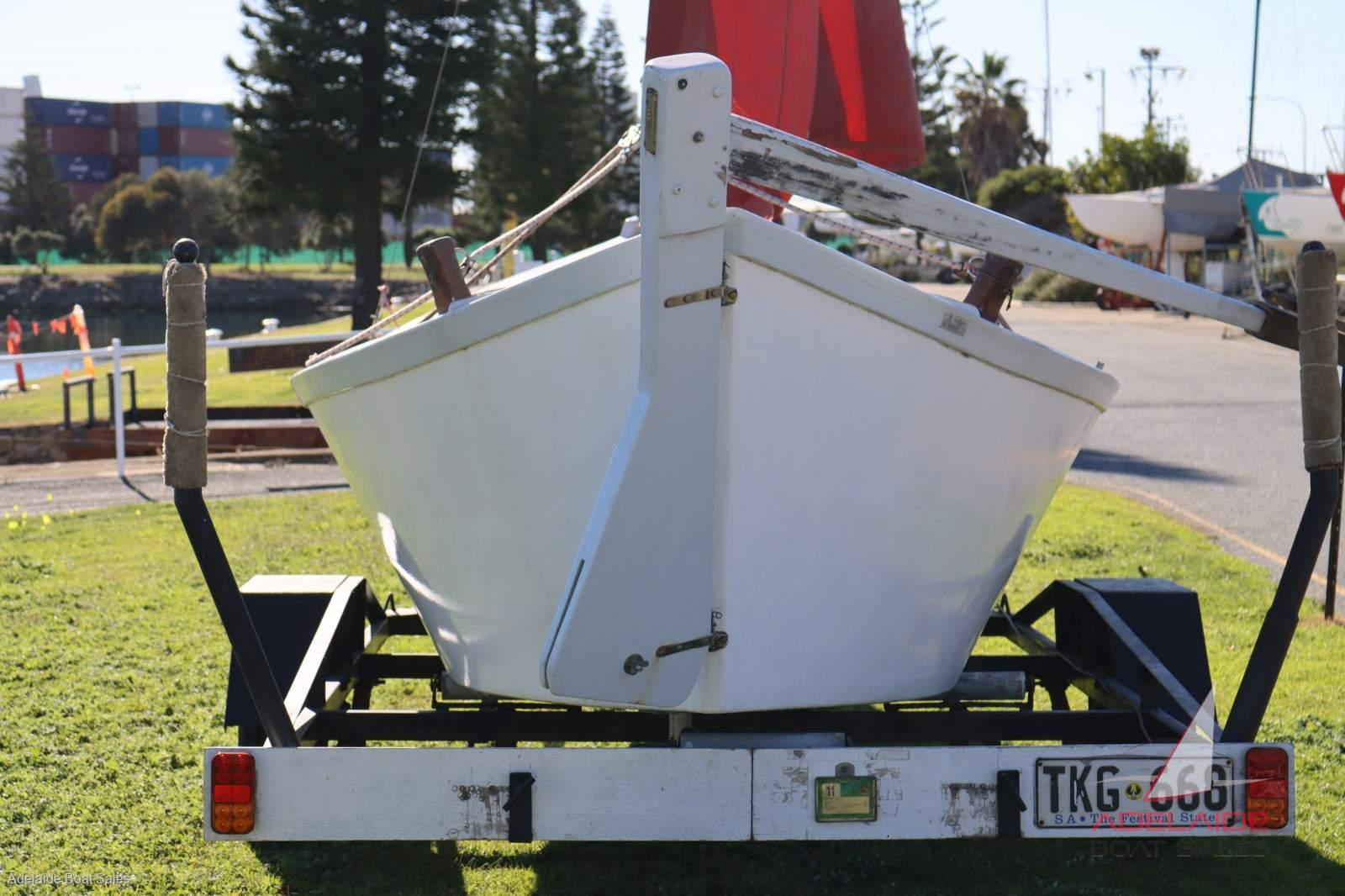
Cast alloy retractable daggerboard and rudder - perfect for navigating shallow waters, beach landings, and estuaries
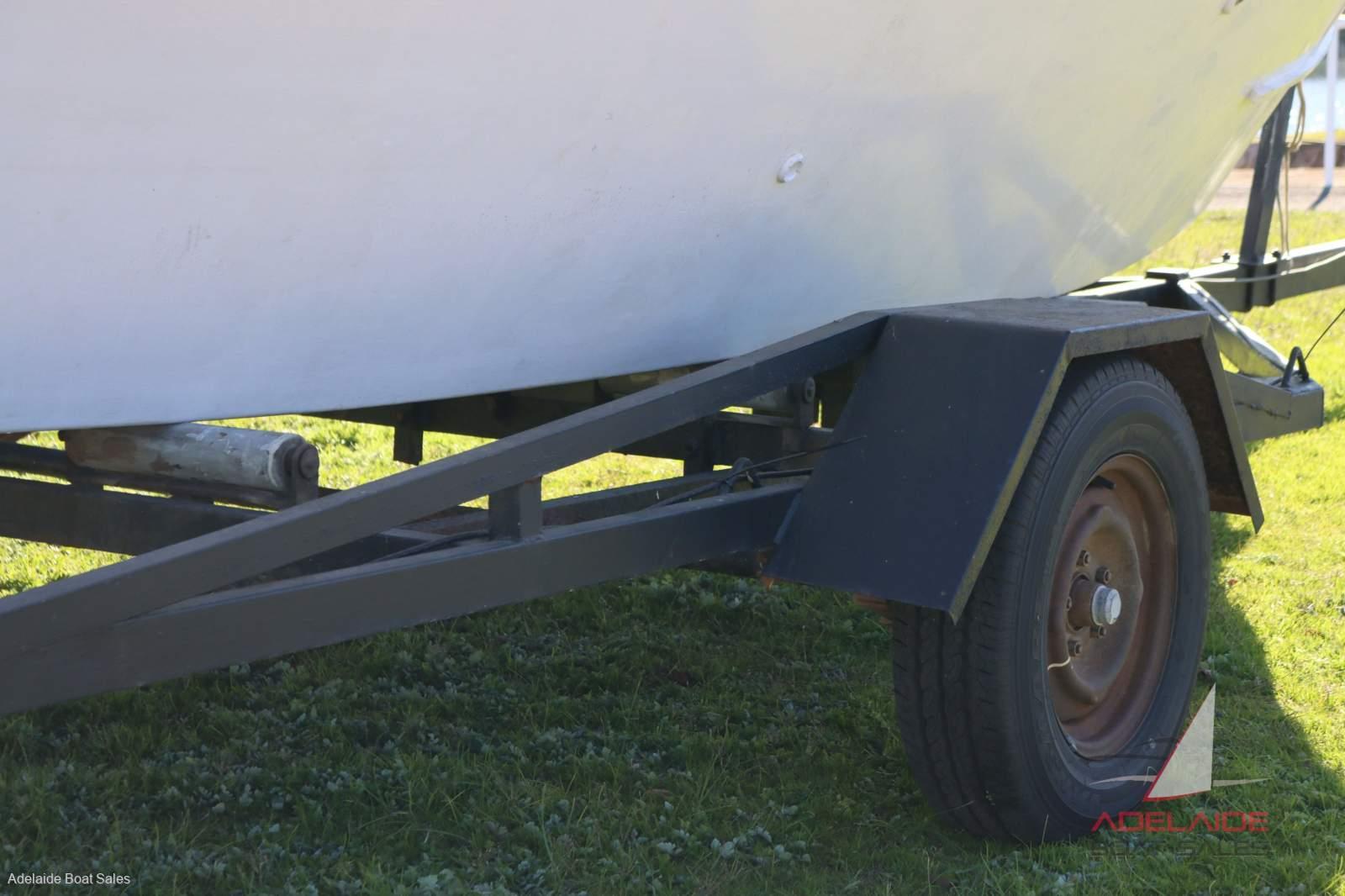
Sits on a custom trailer with new wheel bearings and tyres - lightweight and effortless to tow
Manual bilge
Main and Jib as new
Alloy mast, boomless, side stays and forestay
Single axle trailer, new tyres and bearings
Matched with BoatSeekr AI
Boats that look like this
Explore boats with a similar design, shape and style.
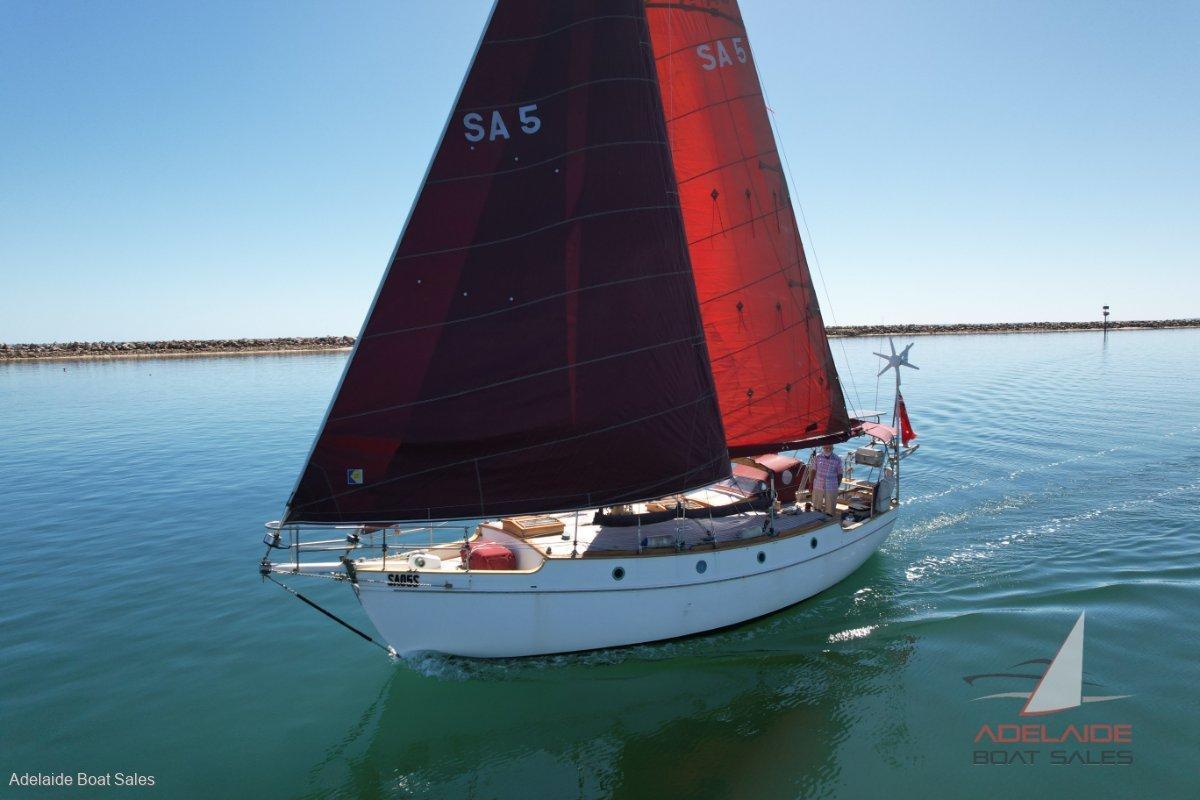
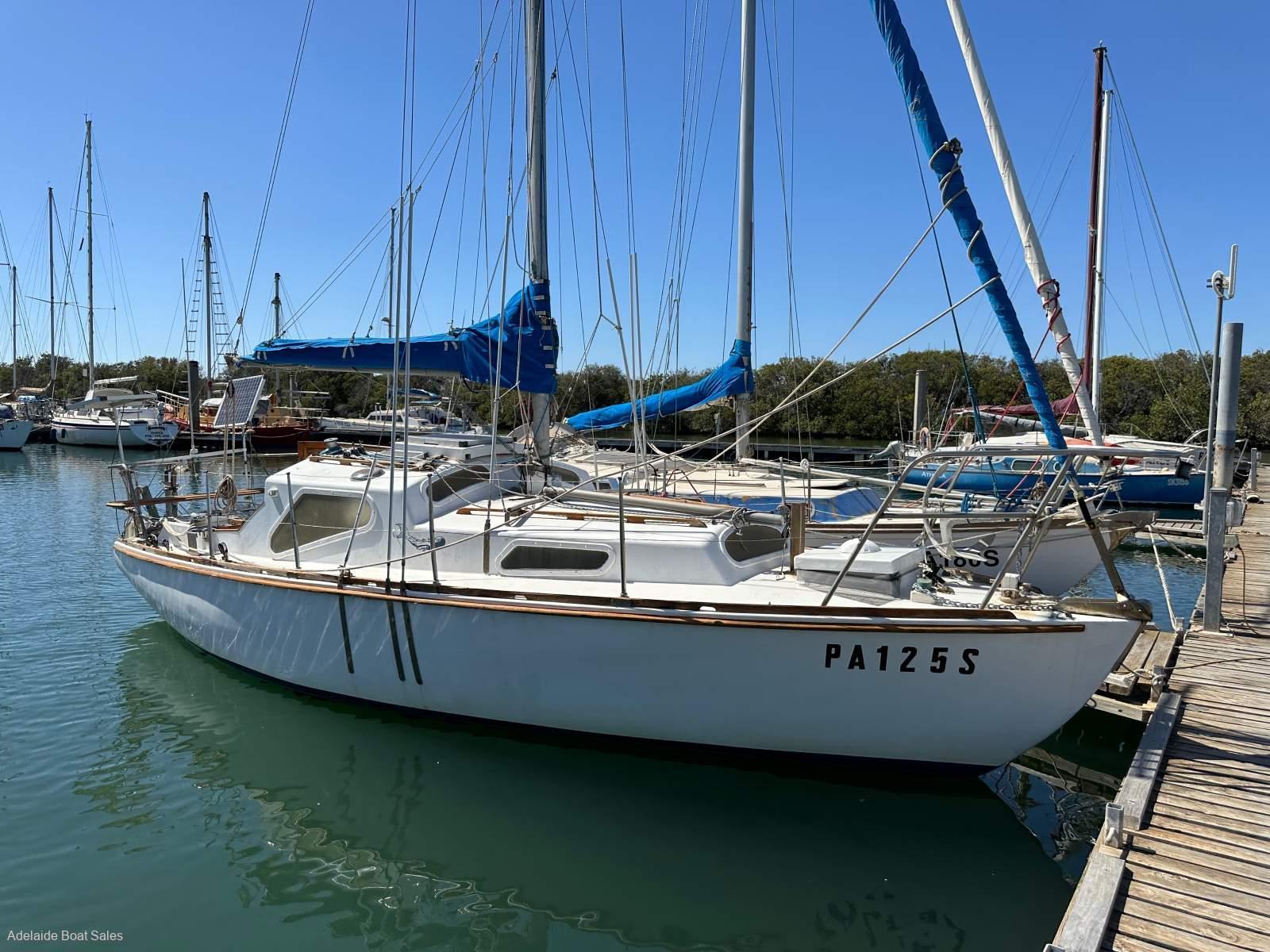
Buying guides
Helpful advice for your boat search
Guide
Buying
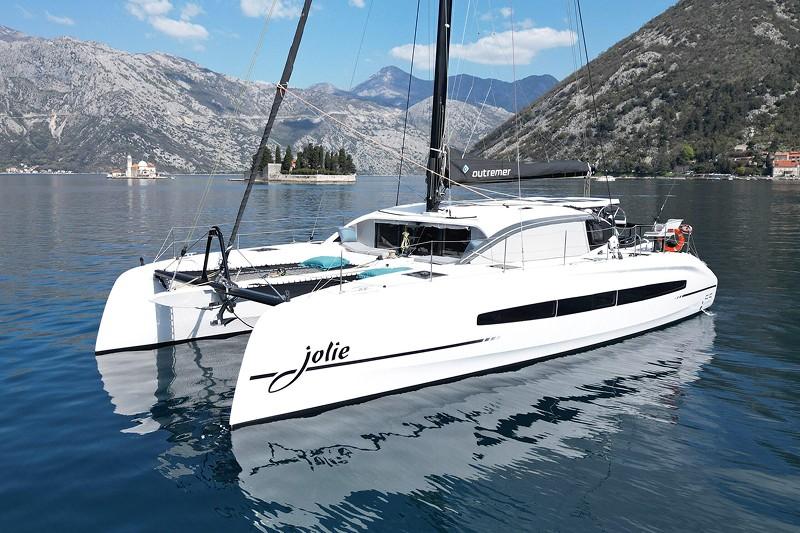
Guide to Offshore Cruisers: Trawlers, Catamarans, Monohulls and more
There are many ways to approach offshore cruising. Read on for a summary of the main types, plus exciting. new options like Omikron.
Guide
Buying
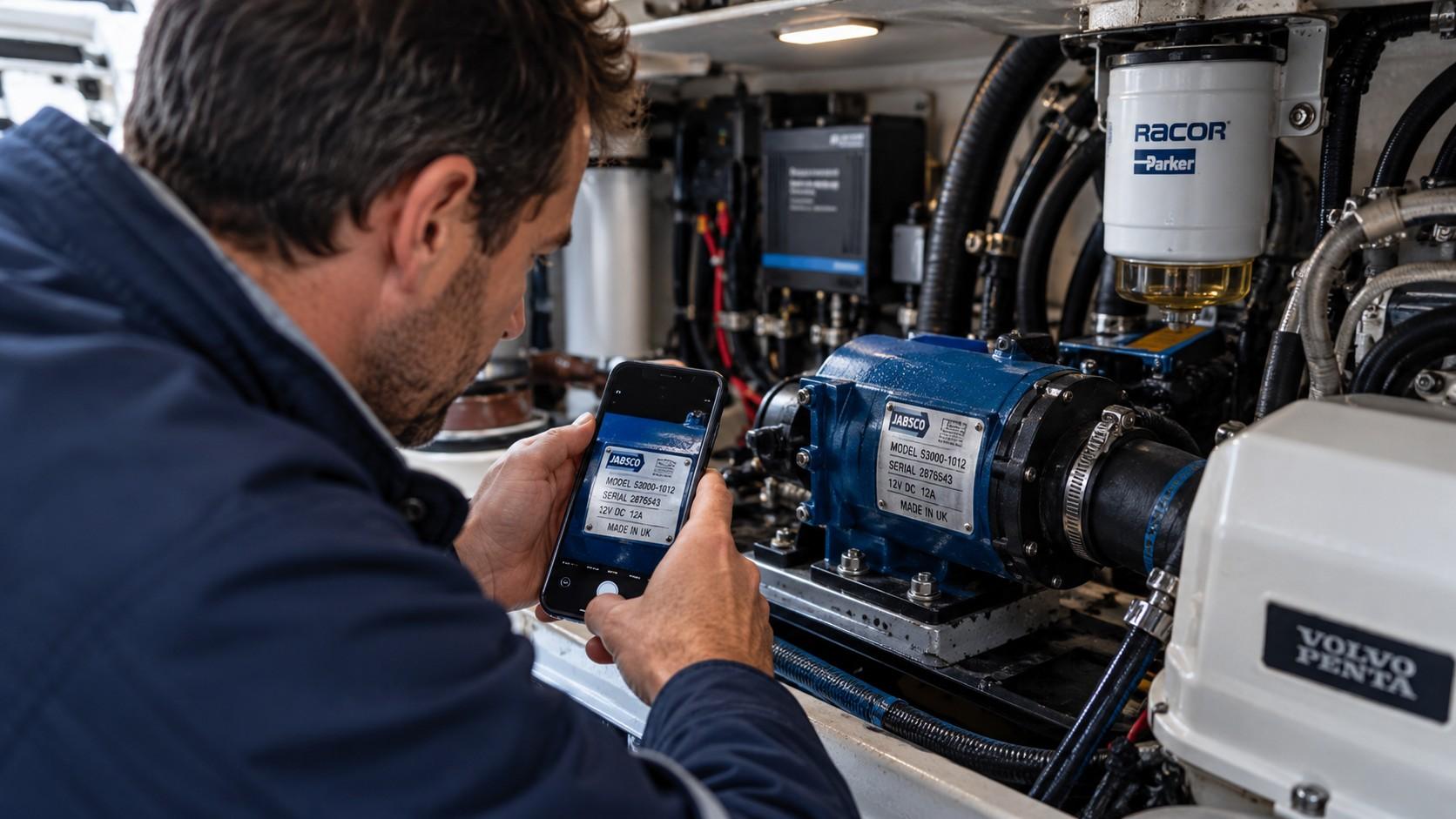
Before You Buy a Used Boat: Check the Spare Parts
Some of the most capable used boats become surprisingly complicated to own simply because a few key components are hard to replace.
Guide
Buying
Great Buys on Boatseekr Right Now: Our Top Picks Under $200k
If you're hunting for a smart buy, we've rounded up five standout listings.