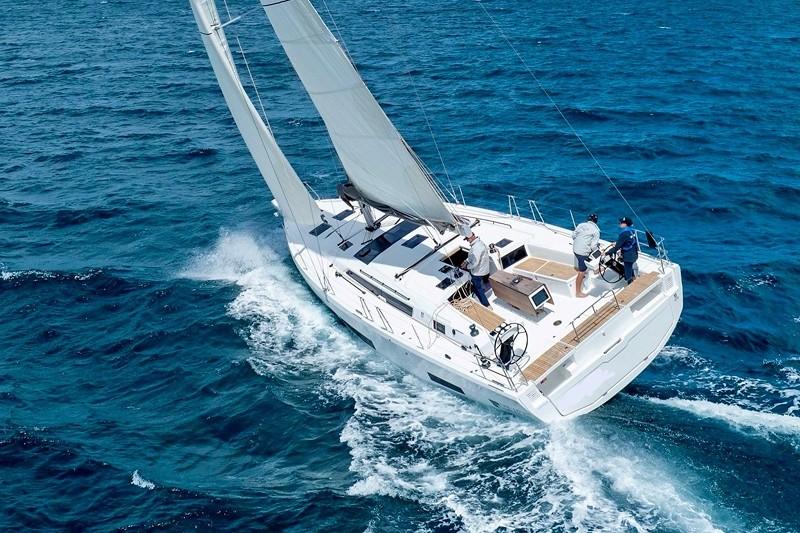
Racer cruisers cover a lot of ground. Some are built for the podium, others for a relaxed weekend away, and most buyers sit somewhere in between without quite realising it.
We asked Boatseekr co-founder Nick "Mudcrab" Crabtree what he tells people who come to him wanting a racer cruiser.
What Type of Racing Do You Want to Do?
This is Nick's first question to any buyer, before anything about the boat itself.
"What type of racing are you thinking of doing? Wednesday nights and the odd Saturday, or competing at the highest level in IRC offshore regattas. Are you interested in close one-design racing like Young 88s, or just want to be part of a Wednesday race?" Asking yourself this question first helps you narrow down and figure out where to look.
Think About Who Else Is on the Boat
People often buy for the racing they picture themselves doing, then end up cruising with a crew that has different needs.
"Think about who you want to cruise with, and the boat's systems to make that easy," Nick says. "If your wife or partner isn't a sailor, what systems do you need to make it really easy to cruise effectively single-handed? Or if you have young kids, remember one of you might be unavailable to trim a sail because you're sorting the kids out."
What Separates a Fast Boat From a Boat That Looks Fast
Two things, according to Nick: weight and sail plan.
"Number one is weight, serious racer cruisers will have a lighter fit-out, which can mean a slightly less luxurious interior, but still well appointed. Number two is sail aspect ratio, so a taller mast and bigger sails, which then makes it more of a handful to cruise."
He adds that modern racer cruisers manage to combine clever hull design for interior volume with an efficient hull shape underwater, so upwind speed isn't the thing you give up. But for older racer cruisers it's something to consider.
Keeping It Manageable Short-Handed
For couples or small families, Nick points to two things: "A reasonable sail aspect ratio, so it doesn't get overpowered early for the wind range, and easy systems to reduce sail area, such as a furling headsail".
If the boat does have a large sail aspect ratio, check the cruising sails are up to the job. Look for a flat cut with well set up furling and reefing systems, so handling stays forgiving as the wind gets up.
What to Check on a Second-Hand Boat
On the racing side:
Rigging age and condition, especially if it's been sailed hard
Sail wardrobe and condition
Deck gear and winches
For more see our guide to racing yachts here
Two things to look out for on a boat that's been raced a lot but not cruised much:
Fridge and freezer are in good working order
The windows and hatches don't leak when it rains
The Two Mistakes Nick Sees Most
"Buying at the top of your budget, and then you don't have the time and money to maintain it correctly, and it becomes a headache to use," he says. That's the big one.
The second is not thinking enough about your cruising crew and buying a boat with a tiny fridge, no bimini, or a cockpit where everything gets wet when it rains. It's the difference between a boat everyone's keen to go away on and one only the skipper enjoys.
His Final Piece of Advice
"Don't go to the top end of your budget. Leave some money in the bank to make it a great boat for both racing, and so everyone enjoys cruising on it too."